Luc de Clapiers Quotes
Vice foments war; it is virtue which actually fights. If there were no virtue, we would live in peace forever.
Vauvenargues, Luc de Clapiers. Introduction à la connaissance de l'esprit humain, suivie de Réflexions et de Maximes. Antoine-Claude Briasson, 1746.


The phrase was used without attribution by President Jimmy Carter in his national address on the energy crisis, April 18, 1977


While this was a common attitude for years before, the horrors of World War II produced a general revulsion to war and an awareness that war between two nations spills over to other states in the region and in an era of globalization, effects countries in other parts of the world. So there has been a tendency to use diplomacy endlessly, even after "things have gone too far". Historically, when things reached that point, the parties did fight it out, and when one was weakened sufficiently, negotiations and diplomacy could then be fruitful.

The veracity depends on how one defines a democracy. Serbia attacked Croatia and Bosnia—all fledgling democracies. Argentina, claiming to be a democracy, attacked England by invading the Falkland Islands. Hitler was elected in Germany in a free and fair election, and once they started their aggressive war Germany became a Fascist Dictatorship. What appears to be the case is that stable industrial democracies never make war on each other.


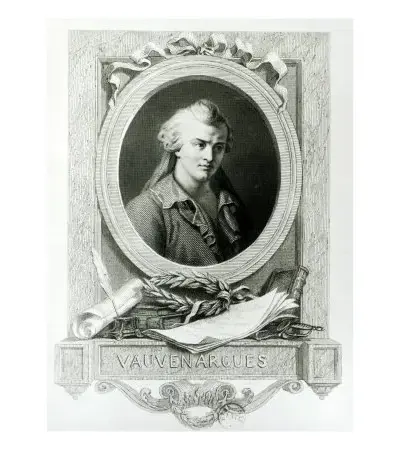
Luc de Clapiers, marquis de Vauvenargues was a French writer and moralist. He died at age 31, in broken health, having published the year prior—anonymously—a collection of essays and aphorisms with the encouragement of Voltaire, his friend. He first received public notice under his own name in 1797, and from 1857 on, his aphorisms became popular. In the history of French literature, his significance lies chiefly in his friendship with Voltaire (20 years his senior).
