Thomas Sowell Quotes
Unfortunately, the real minimum wage is always zero, regardless of the laws, and that is the wage that many workers receive in the wake of the creation or escalation of a government-mandated minimum wage, because they lose their jobs or fail to find jobs when they enter the labor force. Making it illegal to pay less than a given amount does not make a worker’s productivity worth that amount—and, if it is not, that worker is unlikely to be employed.
Sowell, Thomas. Basic Economics: A Citizen's Guide to the Economy. Basic Books, 2000, p. 132.


This is the classic conservative argument against raising the minimum wage. Historically, if the minimum wage was raised well after there has been a period of wage inflation, there has been little or no negative effect on the lowest paid workers. However, when the minimum wage has been raised during a period of wage stability, there is an effect of making some workers simply not worth the rate that they must be paid. However, even then, after a year or two, the negative effect begins to dissipate.

This is the major argument always given against raising the minimum wage. Historically, however, when the minimum wage has been increased there has never been a large increase in the unemployment rate. However, if the increase would be huge it would likely have the effect of pricing some workers out of the market. Like so many other elements of politics, moderation is important.

Although aggregate employment has remained relatively stable as global free trade has become the U. S. policy, there has been major employment disruption with some types of people benefiting and others like blue collar manufacturing workers having their entire careers wiped out. Port cities like Seattle, Baltimore have boomed while Midwestern manufacturing cities have deteriorated greatly.


Many free-traders disagree. While there is unemployment in the auto industry from imported cars, there is increased employment in the importing process, the marketing, selling, and maintenance of the imported cars as well as their financing. Further, when trade is open, we can then export products and services to Japan and this creates jobs. No one has ever been able to exactly measure the jobs created so it is an unsettled intellectual economic and political question. However, the people who lose jobs to imports are generally identifiable while the beneficiaries of many of the new jobs created by open trade are never specifically identified, so public opinion is more sympathetic to the former.


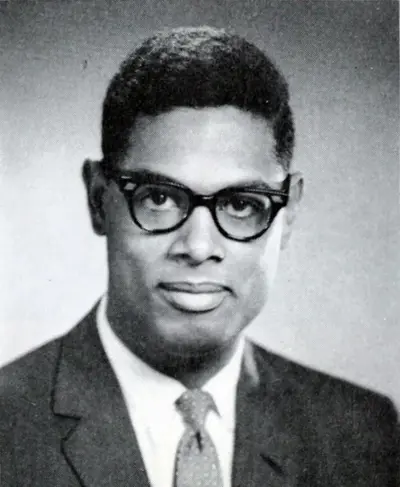
Thomas Sowell is an American economist, social theorist, and senior fellow at Stanford University's Hoover Institution.
