Julius Evola Quotes
Tradition, in its essence, is something simultaneously meta-historical and dynamic: it is an overall ordering force in the service of principles that have the chrism of a superior legitimacy (we may even call them 'principles from above').
Evola, Julius. Men Among the Ruins: Post-War Reflections of a Radical Traditionalist. Translated by Guido Stucco, Inner Traditions, 2002, p. 114.


Every time a court decides on the constitutionality of something that did not exist at the founding, the meaning is enlarged somewhat. For example is hacking into a computer a violation of the Due Process clause? Are Americans who are entitled to bear arms allowed to choose any arms now existent—ie biological weapons? Is a President who is brain dead but is breathing and kept alive by artificial means to be replaced by the Vice President? The U.S. Constitution is the oldest constitution of all the industrialized democracies, and yet if functions in a world the Founding Fathers would not recognize. The courts and the Amendments have kept it fundamental to our nation and still an example to the world.


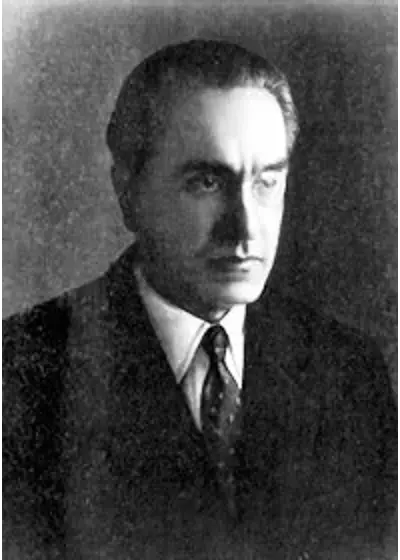
Giulio Cesare Andrea Evola, better known as Julius Evola (/ˈdʒuljəs ɛˈvoʊlə/), was an Italian philosopher, painter, and esotericist. Evola regarded his perspectives and spiritual values as aristocratic, masculine, traditionalist, heroic and defiantly reactionary.
