Ai Weiwei Quotes
To survive, China had to open up to the West. It could not survive otherwise. This was after many millions have died of hunger in a country that was like North Korea is today. Once we became part of global competition, we had to agree to some rules. It's painful, but we had to. Otherwise there was no way to survive.
Ai, Weiwei. Ai Weiwei Speaks: with Hans Ulrich Obrist. Penguin Books, 2011.


10 centuries ago was a time when the Arabs were far more advanced and modern than other cultures including the Christian West that was in the Dark Ages. However, in the 12th century there was a “closing”—a narrowing of allowable Islamic thinking, and since then, Islamic people have had great difficulty with change or modernity. Not all Muslim nations are equally rigid but the Arabs are at the extreme among Islamic counties.

This quotation is an amazing prediction that was 100 years in the future. China had a mercantile culture and tradition that was suppressed and controlled by the Emperors, the Europeans, the Nationalist Chinese, the Japanese, and finally the Communists who finally found a way to provide commercial freedom if not political, religious, and cultural liberty. But the talent for commerce was clear even 100 years ago to those who were broadminded enough to see it behind the antl-Asian prejudice of the 19th and early 20th century.

He was very sensitive to the criticism of China’s human rights record. The Chinese leadership was very proud to their accomplishments of lifting hundreds of millions of people out of poverty and eliminating hunger and starvation, and many foreigners from developed nations were seemingly inattentive to the remarkable economic success in their focus on human rights shortcomings.


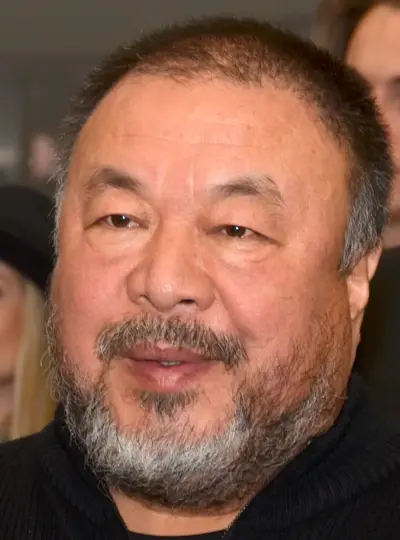
Ai Weiwei is a Chinese contemporary artist and activist. Ai grew up in the far north-west of China, where he lived under harsh conditions due to his father's exile. As an activist, he has been openly critical of the Chinese Government's stance on democracy and human rights. He investigated government corruption and cover-ups, in particular the Sichuan schools corruption scandal following the collapse of "tofu-dreg schools" in the 2008 Sichuan earthquake. In 2011, Ai Weiwei was arrested at Beijing Capital International Airport on 3 April, for "economic crimes". He was detained for 81 days without charge. Ai Weiwei emerged as a vital instigator in Chinese cultural development, an architect of Chinese modernism, and one of the nation's most vocal political commentators.
