Allen Toussaint Quotes
To get to New Orleans you don't pass through anywhere else. That geographical location, being aloof, lets it hold onto the ritual of its own pace more than other places that have to keep up with the progress.
Toussaint, Allen. Interview by Nick Spitzer. American Routes, PRX, 21 Nov. 2007.


Some of the extreme Francophone proposals include prohibiting publication and sale of books and magazines in any other language but French, TV exclusively in French and the like.


This parochial and sectional point of view was held much more strongly by the South and to a great extent, still is. We are all conflicted by wanting and American culture (that can be adopted by the world in globalization) and also wanting local customs, cultures, norms, policies and thought patterns to exist. However, there is inevitable conflict between the two, so it is a constant American source of debate, ebb and flow.
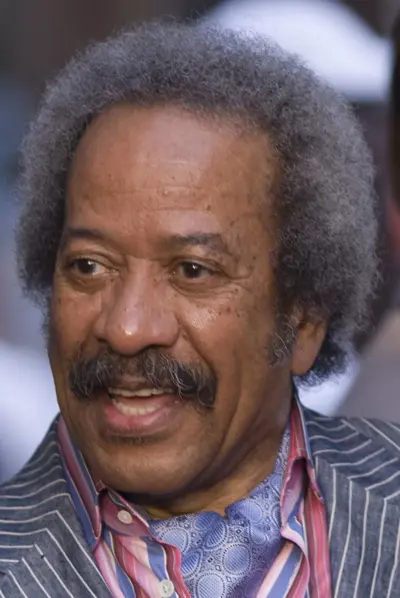
Allen Toussaint was an American musician, songwriter, arranger and record producer, who was an influential figure in New Orleans rhythm and blues from the 1950s to the end of the century, described as "one of popular music's great backroom figures". Many musicians recorded Toussaint's compositions, including "Whipped Cream", "Java", "Mother-in-Law", "I Like It Like That", "Fortune Teller", "Ride Your Pony", "Get Out of My Life, Woman", "Working in the Coal Mine", "Everything I Do Gonna Be Funky", "Freedom For the Stallion", "Here Come the Girls", "Yes We Can Can", "Play Something Sweet", and "Southern Nights". He was a producer for hundreds of recordings, among the best known of which are "Right Place, Wrong Time", by his longtime friend Dr. John ("Mac" Rebennack), and "Lady Marmalade" by Labelle.
