Robert Reich Quotes
Those at the top would do better with a smaller share of a booming economy that elicits a positive politics than they will do with an ever-larger share of an anemic economy that fuels the politics of anger.
Reich, Robert B. Saving Capitalism: For the Many, Not the Few. Alfred A. Knopf, 2015, p. 195.


The traditional conservative tax principle has always been that low tax rates are needed to produce economic expansion and in general this had been so until Clinton and Rubin combined higher tax rates with great fiscal discipline of government spending and low interest rates, not only produced a great economic expansion but eliminated the Reagan deficit and left office with a huge projected surplus.


After Roosevelt, most eras of American politics more or less followed the pattern Roosevelt described herein as a “calamity”, with the anger becoming more or less intense. Jefferson thought that these were natural divisions of politics in all societies--{604810}. The thing that masked this for years was race and slavery. In Lincoln’s time there were liberals and conservatives in both parties if race were ignored. In Theodore Roosevelt’s era, he, Taft and others were generally liberal reformers, while a large number of Republicans were conservative supporters of the status quo. Some democrats were radical reformers like William Jennings Bryan while others were arch conservatives. Until 1964 and the Civil Rights Act there were many conservatives in the Democratic Party, but almost all switched to the Republican Party in anger. The Republican conservatives tended to drive the Republican liberals out of the party and for the last part of the 20th century Roosevelt’s “calamity” well described the American political scene, and the anger increased carrying partisan bitterness into the 21st century.


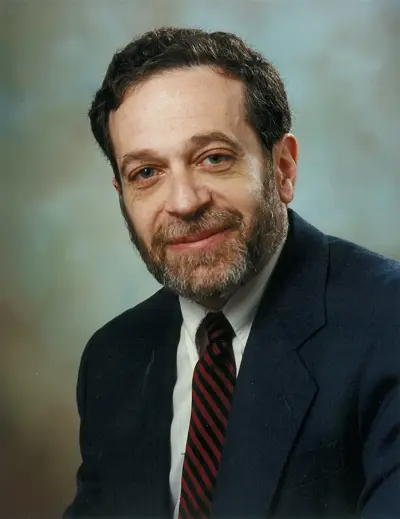
Robert Bernard Reich is an American economist, professor, author, and political commentator. He served in the administrations of Presidents Gerald Ford and Jimmy Carter, as well as serving as the United States Secretary of Labor from 1993 to 1997 under Bill Clinton. He was a member of President Barack Obama's economic transition advisory board.
