William Shakespeare Quotes
Thieves for their robbery have authority When judges steal themselves.
Shakespeare, William. Measure for Measure. The Riverside Shakespeare, edited by G. Blakemore Evans, Houghton Mifflin, 1974.


In the quoted passage, it describes Diogenes as observing a thief being arrested in one of the religious temples by the officials of the temple. He had pilfered one of the temple treasures. Not unlike modern times, most religious organizations raised money be getting donations from the public. Some of the means of many of the religious groups are and have been of dubious morality and if used in commerce would generally be considered fraud. This quotation shows that this is not a new phenomenon nor was it limited to monotheistic religions.


Ingersoll was considered to be the greatest orator and political thinker of his day, but his overt atheistic views curtailed his elected political career.

“Magistrate” has the meaning of leading public official of an area. Mayors are often called the Chief Magistrates of the city, for example.


What is fascinating about this quotation is that although the head of a religion, Smith was not advocating the kinds of personal lifestyles of his church the way modern religious leaders do, but was concerned with the much larger issues of expansionism, corruption of the courts and judiciary, and land distribution. He was a classic reform candidate in that sense. Smith had written to most of the then likely Presidential candidates of both major parties asking for their position on the Mormons who were facing persecution wherever they went. None of the politicians would make any satisfactory commitments. Smith took Direct Action and became the only major religious official to have run for the Presidency of the United States until Pat Robertson tried and failed in 2000. Smith’s assassination shortly thereafter cut his run for the Presidency short before it made much headway and politically he had no chance to affect the race.


Samuel Langhorne Clemens, 1835-1910


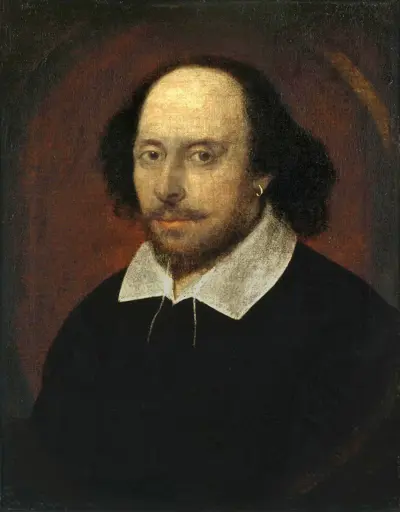
William Shakespeare was an English playwright, poet, and actor, widely regarded as the greatest writer in the English language and the world's greatest dramatist. He is often called England's national poet and the "Bard of Avon" (or simply "the Bard"). His extant works, including collaborations, consist of some 39 plays, 154 sonnets, three long narrative poems, and a few other verses, some of uncertain authorship. His plays have been translated into every major living language and are performed more often than those of any other playwright. They also continue to be studied and reinterpreted.
