H. L. Mencken Quotes
They have taken the care and upbringing of children out of the hands of parents, where it belongs, and thrown it upon a gang of irresponsible and unintelligent quacks.
Mencken, H. L. The Baltimore Evening Sun, 25 July 1932.


This was an amazingly controversial quotation. At first glance it seemed like a typical position that a very conservative, anti-government politicization might take—the government should not interfere with a parents bringing up their children. However, there was a more ominous part of the quotations. While everyone in America would certainly agree with Paul that the Government does not “own” the children, there are few who would agree with the point that follows—that the Parents “own” the child. Paul reveals the normally hidden aspect of his politics—that he is highly influenced by the extreme, Biblical Literalist Fundamentalist Christians and Jews. In the Old Testament, the Father really did OWN the child. The latter was his chattel. A father had the legal and duty-bound power of life and death over his children. Most American Christians and Jews have long since abandoned the literal biblical notion of children being owned by a father and today see a child as a person who can sometimes need the protection of the state just like any other citizen. And there are occasions where the child must be PROTECTED from the parents who may be acting within their fundamentalist notions of Biblical rights and duties, but not with their civil rights and duties. Ownership, of a child is not one of the modern civil rights of parents.


What a difference a century makes. 100 years after, this was no longer a radical anarchist position. It was the position of many conservative Republicans, Libertarians, and Tea Party types.


The Supreme Court found that the U.S. Constitution protects this


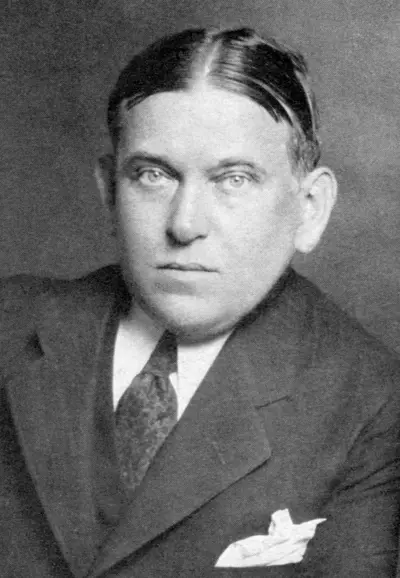
Henry Louis Mencken was an American journalist, essayist, satirist, cultural critic, and scholar of American English. He commented widely on the social scene, literature, music, prominent politicians, and contemporary movements. His satirical reporting on the Scopes Trial, which he dubbed the "Monkey Trial," also gained him attention.
