Alfredo Stroessner Quotes
There was no reason for a revolution in Paraguay.
Stroessner, Alfredo. Interview. The New York Times, Mar. 1989.


Lincoln had instituted the first draft in American History and it was terribly resented by many Americans. The draft laws allowed the wealthy and upper middle class to avoid service by paying a $300 fee of hiring a substitute just like in the Vietnam War the upper classes could get College Draft deferments. The mob led mostly by poor Irish, began by protesting the draft; then they attacked the mansions and houses of the wealthy; and then they went after Blacks. The Irish poor feared large numbers of Negroes coming out of slavery and competing for their jobs and lowering the prevailing wages. Blacks were beaten and lynched and 5,000 almost half of the then Negro population were driven to Brooklyn, New Jersey and the New York suburbs. It was the worst riot in United States History.


What he did not state in his autobiography was how unhelpful and disrespectful he had been to other officials trying to examine alternatives during the Iranian Revolution. Sullivan knew little of the Middle East and Islamic Religious Fundamentalism and believed that the United States would be able to negotiate with and influence the government, not realizing that they were going to institute the most fundamentalist, undemocratic, religious theocracy in the world. Others


Germany, after its defeat in WWI was going through massive demonstrations and strikes. The government kept issuing bulletins that “Order Prevails” and the like. Luxemburg’s rhetoric and writing was so damaging to the government that they had her assassinated shortly after this statement.


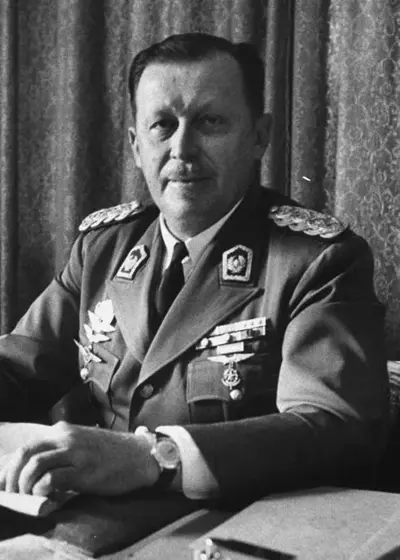
Alfredo Stroessner Matiauda was a Paraguayan Army officer who was the dictator of Paraguay from 1954 to 1989. He ascended to the position after leading an army coup in 1954. His 35-year-long rule, marked by an uninterrupted period of repression in his country, is the longest in modern South American history.
