Jane Austen Quotes
There is something in the eloquence of the pulpit, when it is really eloquence, which is entitled to the highest praise and honour. The preacher who can touch and affect such an heterogeneous mass of hearers, on subjects limited, and long worn thread-bare in all common hands; who can say any thing new or striking, any thing that rouses the attention, without offending the taste, or wearing out the feelings of his hearers, is a man whom one could not (in his public capacity) honour enough.
Austen, Jane. Mansfield Park. T. Egerton, 1814.


Nixon was an excellent orator even in his first effort at politics. It was when Nixon used that skill to smear his opponents that the admiration of his opponents turned to resentment and eventually this and his lack of morality in politics led the American people to turn on him.


He was one of the great orators of Ancient Rome. See {240929} for another of his quotes about speechmaking. Both recommend focus and brevity.


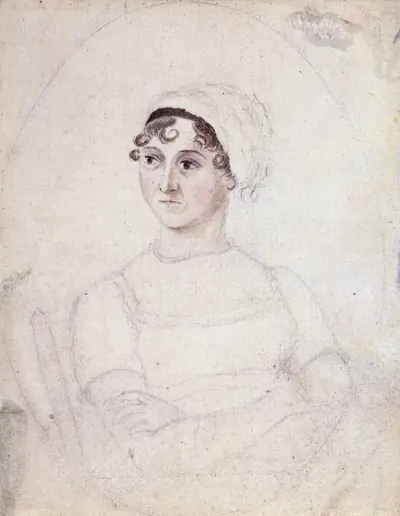
Jane Austen was an English novelist known primarily for her six major novels, which interpret, critique and comment upon the British landed gentry at the end of the 18th century. Austen's plots often explore the dependence of women on marriage in the pursuit of favourable social standing and economic security. Her works critique the novels of sensibility of the second half of the 18th century and are part of the transition to 19th-century literary realism. Her use of biting irony, along with her realism, humour, and social commentary, have long earned her acclaim among critics, scholars, and popular audiences alike.
