Eduardo Bhatia Quotes
There is nothing more fundamental for public workers to know if they are going to be partly laid off.


The nation was divided over the issue of immigration. Many observed that the vast majority of the immigrants—especially the illegal immigrants performed jobs for which American workers could not be hired. Opponents like the congressman, claimed that if better wages were paid Americans would be doing the jobs, and as long as there were immigrants who would work for low wages, there was little reason for employers to pay more.

Although this was one of his comic routines, he claimed it was true.

This statement was a total reverse of his predecessor’s policy. Hoover stubbornly refused to consider any direct relief for workers on the philosophical ground that it would weaken their character, make them dependent, and provide benefits for the people who were not working so the motivation to work would be lessened. When FDR pronounced this on the radio, it dramatically reversed U. S. policy and gave many people hope that the government might do something about the depression rather than just wait out the business cycle.

Uchitelle in writing about one of the nation’s economic recessions thought that it should be an interesting slant to do an article about Harvard alumni who had been laid off to show that education and training were not sufficient to have job security. Lelyveld, one of the greatest newspaper editors in the history of American journalism had also been a Harvard graduate.


The reference was to the fact that some of the information and call center jobs for state unemployment administration had been exported overseas.

This is the classic conservative argument against raising the minimum wage. Historically, if the minimum wage was raised well after there has been a period of wage inflation, there has been little or no negative effect on the lowest paid workers. However, when the minimum wage has been raised during a period of wage stability, there is an effect of making some workers simply not worth the rate that they must be paid. However, even then, after a year or two, the negative effect begins to dissipate.

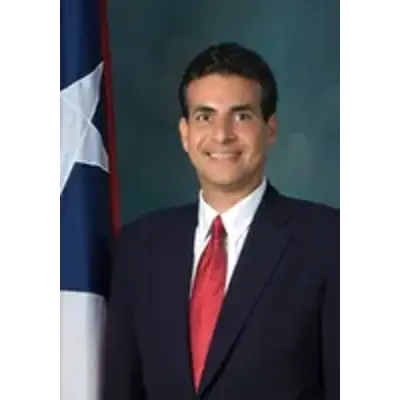
Eduardo Bhatia Gautier is a puertorican attorney and politician. Bhatia is a former 15th President of the Senate of Puerto Rico and executive director of the Puerto Rico Federal Affairs Administration.
