William Shakespeare Quotes
There is no sure foundation set on blood, No certain life achieved by others' death.
Shakespeare, William. King John. Edited by Barbara A. Mowat and Paul Werstine, Simon & Schuster, 2000, p. 149.


Prior to whites settling in America, various Indian tribes had a long history of fierce fighting for control of Kentucky. The Transylvania Land company negotiated for the “rights” to Kentucky. Dragging Canoe, who opposed the treaty, argued that the land had a bad history and would be very difficult to settle. Poet Theodore O’Hara described Kentuckians as “Sons of the Dark and Bloody Ground” in his poem, The Bivouac of the Dead.


John Mason led a force of 90 Pilgrims and 70 Mohegan Allies quietly surrounded the Pequot village at Mystic. Then they fired their guns into the village and charged the Pequot houses, setting them on fire and killing all those who tried to escape. Over 400 Pequot were killed. The Mohegan allies were so shocked at the carnage that they shouted, “Stop! Stop! It is naught, it is naught, because it is too furious, and slays too many men.” Prior to the massacre of Mystic Village, there had been many battles and villages destroyed, but this marked the first time that entire populations of men, women and children were exterminated in the English Colonization. After Mystic village both whites and Indians participated in terrible massacres inflicted on each other. This was not the first massacre in America as the Spanish in the South and West commonly used the tactic.


Nathaniel Bacon had led a rebellion in Virginia and had routed the Governor’s troops and caused him to flee leaving control of Virginia to Bacon and his followers who were far more democratic and advanced. However Bacon succumbed to swamp fever, and his followers could not hold the colony together giving the Governor a chance to establish his authority. He then went on a vengeful reign of terror, executing all of Bacon’s followers he could get his hands on. With no danger to the authority of the Crown, King Charles felt that Berkeley had gone too far. The King’s father Charles I had been executed in the aftermath of the English Civil War, but he had executed far fewer than Berkely had done in Virginia.

He stormed offstage leaving the other panelists shocked. This boorish behavior and other at a dignified world intellectual meeting shocked most participants, diplomats, and government officials who castigated Erdogan. However, he returned to large popular approving crowds of his religious Islamic base who thought his behavior heroic. One irony of the Arab-Israeli Conflict in the Middle East as that with 60 years of war, occupation and conflict, the winning and dominant Israelis have killed very few Arabs, especially when one compares the number with the Arabs who were killed by their coreligionists. The Jordanian Army killed 7000 Palestinians in a single week when the Palestinians tried to take over Jordan. The Syrians killed 20,000 and decades later killed over 100,000 of their own people in their internecine civil war. Sunnis have butchered Shiaas and vica versa for over 1000 years, and more Muslims have been the victims of Arab Terrorism than Jews. But in the killing of Arabs, the over 1000 years of Turkish Rule of the Middle East produced incredible butchery by the Turks, which even they exceeded in the Armenian Genocide of Christians in the early decades of the 20th century. The Turks however tend to deny these events were deliberate policy and action but claims the dead were collateral damage of legitimate war. But killers they were, and they currently have one of the best and strongest militaries of the world.


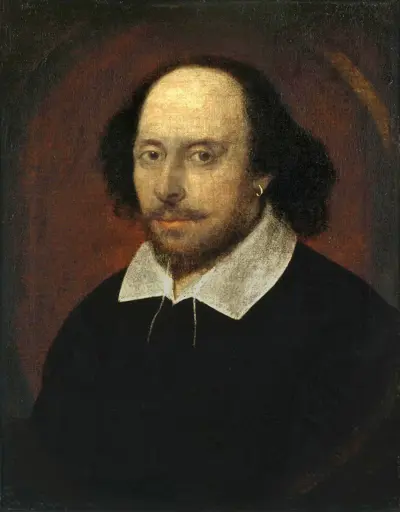
William Shakespeare was an English playwright, poet, and actor, widely regarded as the greatest writer in the English language and the world's greatest dramatist. He is often called England's national poet and the "Bard of Avon" (or simply "the Bard"). His extant works, including collaborations, consist of some 39 plays, 154 sonnets, three long narrative poems, and a few other verses, some of uncertain authorship. His plays have been translated into every major living language and are performed more often than those of any other playwright. They also continue to be studied and reinterpreted.
