Andrew Hamilton Quotes
There is a natural right to complain about abusive rulers — to “put their neighbors upon their guard against the craft or even violence of men in authority.
In 1735 John Peter Zenger was charged with "publishing several seditious libels" against the English Governor of New York. He was arrested and tried:. The jury acquitted Zenger, striking one of the first American blows against government censorship. Hamilton, Zenger’s Defense Attorney. argued that although Zenger was clearly guilty of breaking the law, the law itself was unjust and dangerous. The jury unanimously acquitted Zenger. Today in England and in all states of America except Maryland, laws have been written preventing this kind of “jury nullification”.
Andrew Hamilton, 1676-1741, Lawyer and Newspaper Publisher, Concluding statement to the jury in the trial of Peter Zenger, New York, August 4, 1735
Sourced by: Eigen's Political and Historical Quotations

In 1735 John Peter Zenger was charged with "publishing several seditious libels" against the English Governor of New York. He was arrested and tried:. The jury acquitted Zenger, striking one of the first American blows against government censorship.

The reference was to the Royal Governor of New York, William Cosby. He was not mentioned by name but the context was very clear that it was he who was being lampooned. The Governor was furious, and had the New York Weekly Journal press burned to the ground. Then the crown prosecuted the publisher, Peter Zenger. This was one of the most famous trials in American history. Although it was clear that the existing law against defamation had been violated, the jury of New York colonists acquitted Zenger. To this day prosecutors in England and America are very worried about what has been called “jury nullification” of the law, and every state except Maryland has strung laws making it difficult if not impossible for a defense attorney to even suggest that the jury should quit because the law is wanting or unjust. The 1st Amendment was very much influences by the Zenger case.


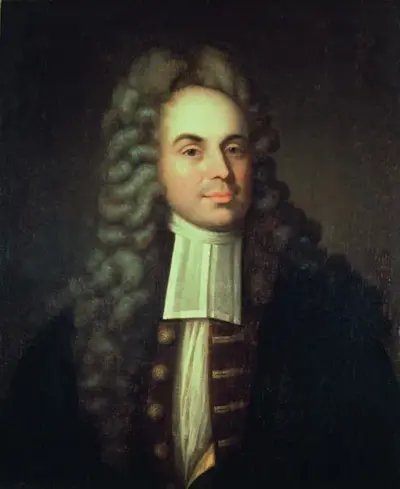
Andrew Hamilton was a Scottish lawyer in the Thirteen Colonies, where he finally settled in Philadelphia. He was best known for his legal victory on behalf of the printer and newspaper publisher John Peter Zenger. His involvement with the 1735 decision in New York helped to establish that truth is a defense to an accusation of libel. His eloquent defense concluded with saying that the press has "a liberty both of exposing and opposing tyrannical power by speaking and writing truth."
