Richard N. Haass Quotes
There is a clear norm against the spread of nuclear weapons, but there is no consensus or treaty on what, if anything, is to be done once a country develops or acquires nuclear weapons.
Haass, Richard N. A World in Disarray: American Foreign Policy and the Crisis of the Old Order. Penguin Press, 2017.


The Court was providing and advisory opinion at the request of the United Nations General Assembly.

The origin of the United States refusal to rule first use out lies with the Cold War concern of a massive Russian Ground attack in European countries. Even with NATO, we could not deploy ground and air resources fast enough to prevent the takeover of entire countries. Then when we amassed the troops and airpower to counterattack, there would be massive civilian casualties of the invaded nations. So American strategy, at the insistence of our European Allies was to deter invasion. By renouncing first use, the Western Powers would almost invite the Russians to invade European nations. There was a similar fear of North Korea and China,
Many politicians and military thinkers disagree with Kraus. America, England, France, Russia, and Israel have all demonstrated over the years that even with great provocation they would not resort to nuclear retaliation nor have they ever threatened use of WMDs. Iran, in contrast, has repeatedly stated as one of their major objective, the total destruction of another UN member state—Israel. Further, Iran has never possessed a weapon that it did not use shortly after possession, including poison gas. Therefore America and the United Nations have all determined that a double standard is necessary with Iran.


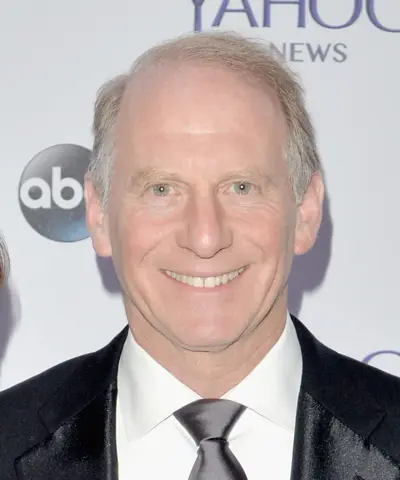
Richard Nathan Haass is an American diplomat. He has been president of the Council on Foreign Relations since July 2003, prior to which he was Director of Policy Planning for the United States Department of State and a close advisor to Secretary of State Colin Powell.
