Scott Ritter Quotes
There are people in Baghdad pursuing the initiative that I started, and I want to give them every chance of success. I don't want to provide any distractions.
Ritter, Scott. Address to the Iraqi National Assembly. Baghdad, 8 Sept. 2002.


Husayn Ali Nuri


The issue of force verses diplomacy has been in debate at almost all times. However, the issue of the conflict with Islam is much the same today—almost 1000 years later


For over 50 years both the United States and Cuba had carried grudges about the Bay of Pigs, the boycott on purcuase of life saving medicine and U. S. attempts to assassiate Fidel Castro on the Cuban site, and the expropriation of Americans' Coban Prepoert, the poor record on human rights, the Mariel Boat Lift, and the harboring of American criminals for the United States. The policy positions held by the two nations had not produced anything constructive so the parties agreed to try and build closer ties. In just two years of a limited reproachment some progress had been made and Prices point about getting beyond the past tried to get all focussed on the future.

After 15 years under House Arrest by the Military running the country, under great US and World pressure and sanctions she was released, and her party won in a landslide in the first Democratic election the country experienced in many decades. When she assumed power, it was expected that she would change everything that the military government had done, but she was very judicious and changed the substantive issues leaving many of the symbolic u=issues in place.


The quotation was made in the context of the Arab Israeli conflict, but the principle is general.

Conservative hard liner hawks in both countries wanted a much more contentious and hostile relationship between the two nations. Reagan especially had to cope with a significant base of his Republican support. In any attempted peace or disarmament negotiations, there are people in both nations who profit economically, politically or ideologically from continued strife. This always makes the process difficult.


At the beginning of his Presidency Roosevelt urged Congress to disarm. A few years later he was urging heavy expenditures for armaments and Congress was then reluctant.


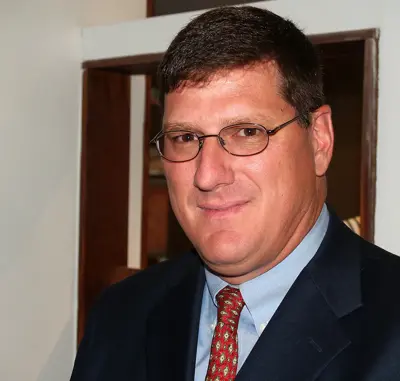
William Scott Ritter Jr. is a former United Nations weapons inspector in Iraq from 1991 to 1998. He later became a critic of United States foreign policy in the Middle East. Prior to the invasion of Iraq in March 2003, Ritter stated that Iraq possessed no significant weapons of mass destruction (WMD) capabilities, becoming according to The New York Times "the loudest and most credible skeptic of the Bush administration’s contention that Hussein was hiding weapons of mass destruction."
