Ida Tarbell Quotes
Theodore Roosevelt ... had become uneasy at the effect on the public of the periodical press's increasing criticisms and investigations of business and political abuses
Ida Tarbell, 1857-1944, Journalist & Deputy Secretary of State (Democrat), Assessment of the attitude of the President who had first been encouraging muckraking but then may have thought that it might be going too far.
Sourced by: Eigen's Political and Historical Quotations


The story had been placed by Republican dirty tricksters throughout the press. Reston, then the editor of the New York Times, was totally uninterested in whether or not the story was true. He, in contrast to some other NYT staff was not a JFK enthusiast in general. but saw such material as not news and certainly not “fit to print.”—the newspaper’s oldest journalistic standard He removed the reporter from the assignment but in such a climate, it is easy to see in retrospect why the JFK sex scandals were not covered by the press.


Tweed was the powerful boss of New York City’s corrupt political machine—Tammany Hall. The newspapers had been attacking Tweed and Tammany Hall for several years but they never resonated with the public. The cartoons of Thomas Nast however were not only understood by illiterates, but the cartoons caused an emotional reaction against Weed and his organization which led to their downfall.

The Corruption that Steffens was uncovering was a black eye to both major parties. This strengthened the position of third party progressives.


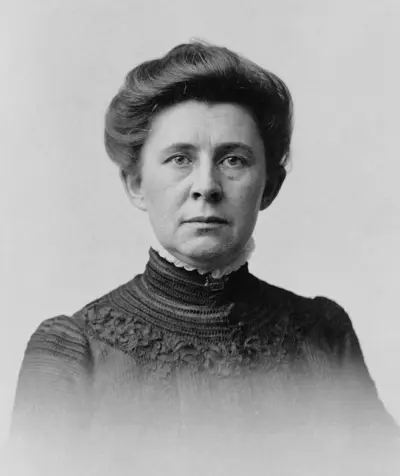
Ida Minerva Tarbell was an American writer, investigative journalist, biographer and lecturer. She was one of the leading muckrakers of the Progressive Era of the late 19th and early 20th centuries and pioneered investigative journalism. Born in Pennsylvania at the onset of the oil boom, Tarbell is best known for her 1904 book The History of the Standard Oil Company. The book was published as a series of articles in McClure's Magazine from 1902 to 1904. It has been called a "masterpiece of investigative journalism", by historian J. North Conway, as well as "the single most influential book on business ever published in the United States" by historian Daniel Yergin. The work would contribute to the dissolution of the Standard Oil monopoly and helped usher in the Hepburn Act of 1906, the Mann-Elkins Act, the creation of the Federal Trade Commission (FTC) and the Clayton Antitrust Act.
