Ida B. Wells Quotes
The white man's victory soon became complete by fraud, violence, intimidation and murder.
Wells, Ida B. A Red Record: Tabulated Statistics and Alleged Causes of Lynching in the United States. Donohue & Henneberry, 1895, p. 10.


Eldest son of Robert Walpole. Lord Dunmore, royal governor of Virginia, had issued a proclamation offering freedom to slaves willing to defend the Crown


First Published American Indian Author. His last public speech. He was referring to a horrible massacre of Christian Indians and the polarizing effect that such conflicts had. Whosoever publicly castigated a massacre of whites or Indians would be met by accusations of condoning the massacres of the other side and ignoring the inevitable and natural seeking of retaliation for future protection and revenge.


This statement was made long after slavery had been abolished and Jim Crow was on the rise in the South.
Parker and other escaped slaves in Christiana fought off slave catchers and killed the slave owner leading them. Charged with treason, he escaped to Canada with his family and lived there the rest of his life. While not a polished writer, after he himself had escaped and went to Christiana and leaned to read and write. He wrote this narrative of his life as a slave—one of the few written works we have from slaves.
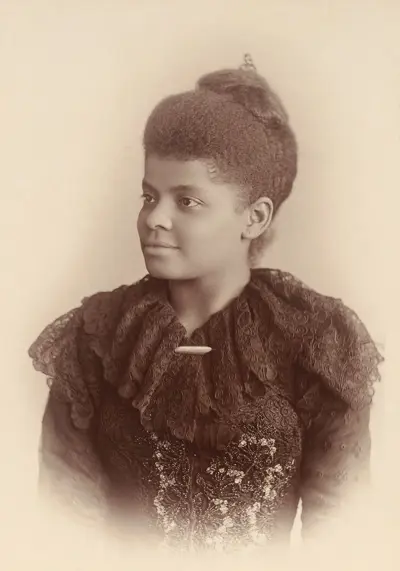
Ida Bell Wells-Barnett was an American investigative journalist, educator, and early leader in the civil rights movement. She was one of the founders of the National Association for the Advancement of Colored People (NAACP). Over the course of a lifetime dedicated to combating prejudice and violence, and the fight for African-American equality, especially that of women, Wells arguably became the most famous Black woman in America.
