Sam Harris Quotes
The usefulness of religion - the fact that it gives life meaning, that it makes people feel good - is not an argument for the truth of any religious doctrine. It's not an argument that it's reasonable to believe that Jesus really was born of a virgin or that the Bible is the perfect word of the creator of the universe.
Harris, Sam. The Moral Landscape: How Science Can Determine Human Values. Free Press, 2010.


This view was infuriating to the Rabbis, Priests and Immams of the time. Miracles and Scrip[ture were not determinatve Spinoza taught but the issue was did the docrine of the religion make sense. Spinoza’s ideas were considered so radical and dangerous that he was the only man in history who was excommunicated by the Catholics, the Jews and the Muslims.


He was officially hanged for his offence of making this statement on January 8, 1697. His execution, which raised considerable concern, was the last execution for blasphemy in Britain.


Franklin was a deist. He believed in God and the Creation but not the Bible which is often referred to as “revealed” truth. He did believe that classic Christianity was a positive force as some people were led to good works and a moral life by it.


The institution to which he was referring was the University of Virginia which Jefferson founded. This letter shows Jefferson’s personal antipathy to the theologians of the day. It is uncharacteristically not as tolerant as most of us would associate with Jefferson. However, by this time in his career, he had become used to being the major political enemy of most orthodox clerics. He didn’t want them in his beloved university.


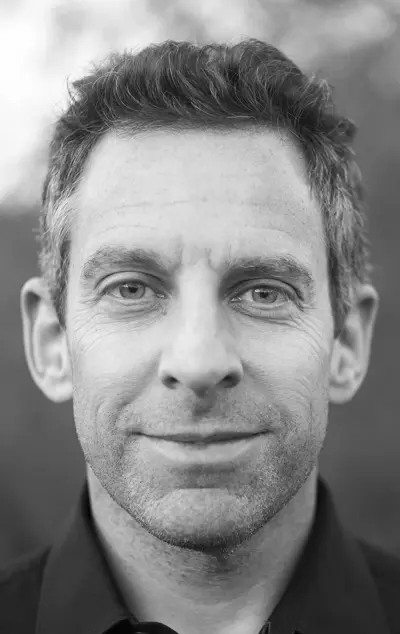
Samuel Benjamin Harris is an American author, philosopher, neuroscientist, and podcast host. His work touches on a wide range of topics, including rationality, religion, ethics, free will, neuroscience, meditation, psychedelics, philosophy of mind, politics, terrorism, and artificial intelligence. Harris came to prominence for his criticism of religion, and Islam in particular, and is described as one of the "Four Horsemen of the Non-Apocalypse", along with Richard Dawkins, Christopher Hitchens, and Daniel Dennett.
