William O. Douglas Quotes
The truth is that a vast restructuring of our society is needed if remedies are to become available to the average person. Without that restructuring the good will that holds society together will be slowly dissipated... It is that sense of futility which permeates the present series of protests and dissents. Where there is a persistent sense of futility, there is violence; and that is where we are today.
Douglas, William O. Points of Rebellion. Random House, 1970, p. 95.


By producing growth and an increasing standard of living and universal education, capitalism’s citizens have the time, education, and resources to protest and produce social unrest. However, that assumes that there is also a democratic state. For Schumpeter and many others, capitalism and democracy go hand in hand, but many point to historical examples of one developing faster than the other.


He was warning that the corporations and monopolies were taking advantage of the poor who, if there is not some balance of redress and justice will resort to violence such as the man who just short him. He gave the speech still bleeding with the bullet lodged in his body. He refused to go to a hospital or get medical care until he had finished his speech. See {633076}.

This quotation was documented by an FBI illegal wiretap of King and his associates. The illegal wiretap had been insisted upon by FBI Director J. Edgar Hoover who was a racist and somewhat of a paranoid about communists. However, Attorney General, Robert F. Kennedy personally approved the illegal wiretap.


at the fall of the Soviet Union


In the history of America


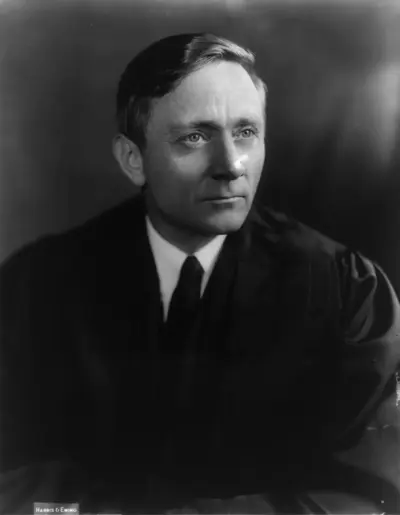
William Orville Douglas was an American jurist and politician who served as an associate justice of the Supreme Court of the United States. Nominated by President Franklin D. Roosevelt, Douglas was confirmed at the age of 40, one of the youngest justices appointed to the court. His term, lasting 36 years and 211 days (1939–75), is the longest in the history of the Supreme Court. In 1975, Time magazine called Douglas "the most doctrinaire and committed civil libertarian ever to sit on the court."
