B. R. Ambedkar Quotes
The Touchables, whether they are vegetarians or flesh-eaters, are united in their objection to eat cow's flesh. As against them stand the Untouchables, who eat cow's flesh without compunction and as a matter of course and habit.
Ambedkar, B. R. The Untouchables: Who Were They and Why They Became Untouchables? Amrit Book Co., 1948. Dr. Babasaheb Ambedkar: Writings and Speeches, Vol. 7, Education Department, Government of Maharashtra, 1990.


The traditional Hindu social structure established castes – levels of society with Brahmins at the top and untouchables at the bottom. When India gained independence, the caste system was made illegal. Nonetheless, it is still followed by hundreds of millions of Indians. Religiously the Buddhists and the Hindus have had different philosophies. Ilaiah is a Buddhist who opposes the traditional Brahmin social structure and is a supporter of “Dalitization” – a change in the Indian culture to make the Dalits (untouchables) equal de juro and de facto.

Manava Dharma Shastra. This text is a part of the Hindu Holy Texts. Hindus believe that Manu was a prophet whose text is revealed or inspired.

They were the “untouchables”. Under English rule and law, they had more opportunity, equality and protection than ever before. They opposed the idea of home rule and passing rule to an Indian parliament and ministers as ol the upper castes would dominate and control the government and would discriminate against them as they had always done before English rule. What they worried about came of to pass, but the Congress Party which dominated much of Indian politics was opposed to the Caste system and went out of their way to make it illegal and to institute affirmative action. However, regardless of the law, the Cast System still exists, and the discrimination is a current problem for India and the untouchables.

There had been an Ethiopian aristocracy that via inbreeding had tended to have lighter skins and that created over the centuries a discriminatory society based on skin color. Although a brutal, criminal, dictator, he initiated some worthwhile reforms although his methods were reprehensible.

Many Indians follow a rigid caste system where all people are born and divided into 5 social castes which are immutable—there is no caste mobility. An “untouchable” –the lowest Indian Caste—even if he make a million dollars—is still an untouchable and the higher casts would have nothing to do with him. Most upper caste people would not allow an untouchable physician to treat him or an untouchable cook to prepare his food. The Caste system is illegal under Indian law, but the majority of the Indians still follow it.

The Caste System has been legally abolished in India yet hundreds of million Indians still follow it.


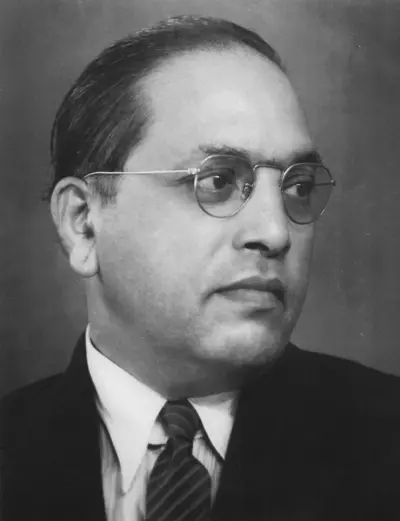
Bhimrao Ramji Ambedkar, also known as Babasaheb Ambedkar ([bʌbəsɑheb ɑmbɛdkɑə]), was an Indian jurist, economist, politician and social reformer, who inspired the Dalit Buddhist movement and campaigned against social discrimination towards the untouchables (Dalits). He was British India's Minister of Labour in Viceroy's Executive Council, Chairman of the Constituent Drafting committee, independent India's first Minister of Law and Justice, and considered the chief architect of the Constitution of India.
