Lynsey Addario Quotes
The Taliban rose to power in 1996, vowing stability and an end to the violence raging across the country between warring mujahedeen factions, and to implement rule by Sharia law, or strict Islamic rule.
Addario, Lynsey. It's What I Do: A Photographer's Life of Love and War. Penguin Press, 2015.


This statement was made 20 years before the Arab Spring of 2011.
See {586916} for a passage from the Koran supporting his point.


The Pakistani Government at the time and for most of the history of that nation did not have much control over the military, and regardless of what agreements the civilian government might have made, the military did not wanted to curry favor with as many Islamic radical terrorist groups as possible even though they even killed Muslims of Pakistan. They would not send the military into Northern Pakistan (Waziristan) to eliminate the Taliban sanctuaries or offend their tribal "hosts" as they were so paranoid about India that they wanted the terrorists as allies.


“Martyrdom” is the euphemism that fundamentalist Muslims use to denote being killed while “fighting for Islam” or on a suicide mission for same. Many believe that such people ascend directly to Paradise where they are given a bevy of virgins and other “perks.” Ironically, this was the last interview that he gave before he himself was “martyred”—he was killed by coalition troops. This mental perspective is one of the reasons that fighting fundamentalist Islamic terrorists is so difficult. They perceive victory whichever way the battle or even the war comes out.

The Manual was found by the Manchester (England) Metropolitan Police during a search of an Al Qaida member's home.


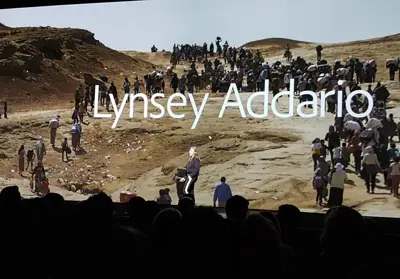
Lynsey Addario is an American photojournalist. Her work often focuses on conflicts and human rights issues, especially the role of women in traditional societies.
