Lao Tzu Quotes
The supreme rulers are hardly known by their subjects. The lesser are loved and praised. The even lesser are feared. The least are despised.
Laozi. Tao Te Ching. Translated by Gia-fu Feng and Jane English, Vintage Books, 1972, ch. 17.


Obama was a President who believed deeply in the concepts of checks and balances and separation of powers. He did not punish members of Congress who opposed him by closing federal installations in their state of district, not giving government contracts to companies in his district and in the case of member of his own party who were “recalcitrant” supporting opponent in primary elections and failing to support in general elections. Presidents Nixon and Johnson used these techniques particularly effectively. As a result they pushed their legislative programs through Congress very effectively. All other modern Presidents have done this to one degree or another, but Obama did not. He believed that pressure on member of Congress should be limited to persuasion and public debate moving public opinion. Many seasoned politicians and political observers however thought that this was Obama’s biggest weakness as a President. Lyndon Johnson did not have to actually punish many member of Congress, as his willingness to do so was well known and thus few opposed him when he called or met with them and “gave them the treatment.” But Congress knew that Obama had taken punishment and retaliation off the table, and many opposed him including member of his own party.


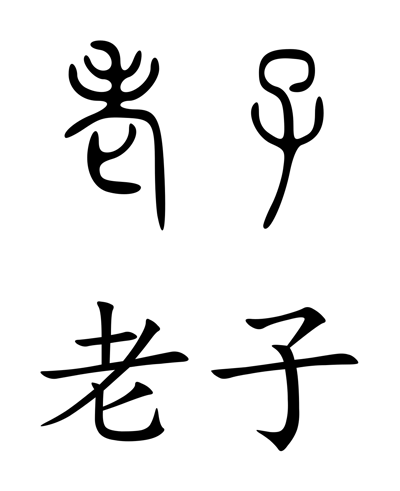
Lao Tzu (/ˈlaʊˈtsuː/ or /ˈlaʊˈdzʌ/), also rendered as Laozi (UK: /ˈlaʊˈzɪə/; US: /ˈlaʊˈtsiː/; Chinese: 老子, Mandarin: [làu̯.tsɹ̩]; commonly translated as "Old Master") and Lao-Tze (/ˈlaʊˈdzeɪ/), was an ancient Chinese philosopher and writer. He is the reputed author of the Tao Te Ching, the founder of philosophical Taoism, and a deity in religious Taoism and traditional Chinese religions.
