Lincoln Steffens Quotes
The Soviet government sprouted and grew out of the habits, the psychology, and the condition of the Russian people. It fitted them. They understand it.
Steffens, Lincoln. The Autobiography of Lincoln Steffens. Harcourt, Brace and Company, 1931, p. 799.


This was one of the first of the world communist leaders who had concluded that the Russian communist state and its revolution had failed. Russia of 1923 was perceived as too dictatorial and not democratic enough. At the same time they thought Russia had not only sold out the democratic nature of communism but also the economic as well by having too much private property and making economic deals with Western capitalists giving concessions of all kinds to Krupp and other major Multinational companies to try and develop international trade and investment. Politically the communist critics thought Russian communism too left wing and undemocratic and economically too right wing and capitalistic.


Russia suffered enormous casualties in WWII where over 20 million Russians were killed. None the less, at the end of the war Europe was devastated with no viable economy. The fascist states and the democracies were all devastated. But Russia was still functioning. Instead of crediting the enormous Russian land mass, the success of the Russian Army, and the enormous amount of aid that the U. S. had provided, Stalin concluded that the reason was the Soviet Communist System.


While Lenin was admired for his skill by his revolutionary colleagues, many had their concerns.


Russian Tanks moved into Prague and returned “order” ending the reform. Dubcheck was arrested and flown to the Soviet Union.


This was a big factor that made the Red Scare so damaging.


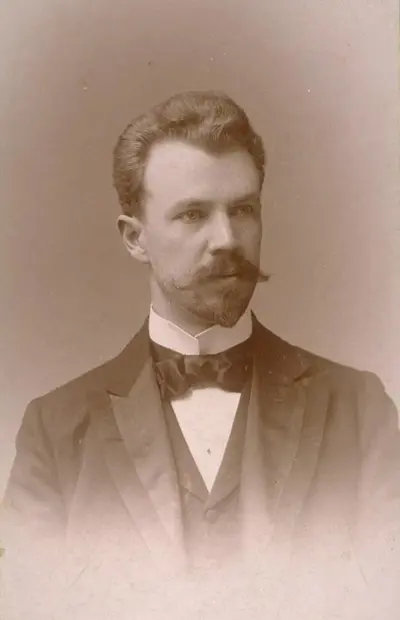
Lincoln Austin Steffens was an American investigative journalist and one of the leading muckrakers of the Progressive Era in the early 20th century. He launched a series of articles in McClure's, called "Tweed Days in St. Louis", that would later be published together in a book titled The Shame of the Cities. He is remembered for investigating corruption in municipal government in American cities and for his leftist values.
