Eleanor Roosevelt Quotes
The psychology which believes that the white man alone of all the races in the world, has something which must be imposed on all other races, must go. We know today that our chance to live in peace in the future lies in respect for the individual, no matter what his color.
This column outraged most of the Southern politicians but was extolled by African Americans and those who opposed segregation in the country. Her husband, the President, remained silent on the issue. That way the Southern segregationists could be grateful that the President did not endorse that they considered un-American statements, and meanwhile those who were outraged by the existence of legal segregation could take heart that the President did not oppose his wife’s statement.
Eleanor Roosevelt, 1884-1962, First Lady (Franklin Delano Roosevelt), U. S. Delegate to the United Nations, Column, My Day, April 3, 1942
Sourced by: Eigen's Political and Historical Quotations


He was not too far off on religious discrimination, but quite overoptimistic on racial discrimination.


The American army which had occupied the Philippines before Taft was appointed Governor General was extremely racist and discriminatory towards the Philippine people. Taft and his wife invited Filipinos to the Governor’s mansion and socialized with them whereas the Army officers and men never did. See {639174}.


The statement was made just before Kenyan Independence was official. His statement was surprising to many people who perceived him as a racist and anti-white. There was a fear that whites would no longer be welcome in Kenya after independence, but Kenyatta’s leadership maintained a pluralistic society.


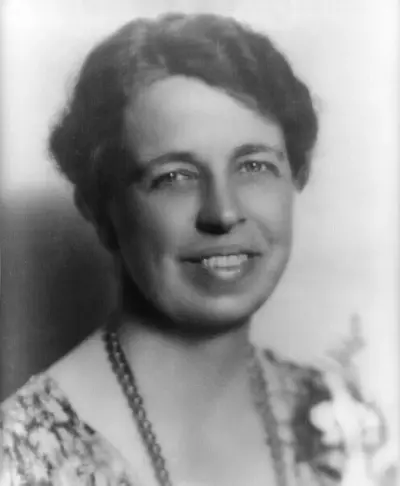
Anna Eleanor Roosevelt was an American political figure, diplomat and activist. She served as the First Lady of the United States from March 4, 1933, to April 12, 1945, during her husband President Franklin D. Roosevelt's four terms in office, making her the longest-serving First Lady of the United States. Roosevelt served as United States Delegate to the United Nations General Assembly from 1945 to 1952. President Harry S. Truman later called her the "First Lady of the World" in tribute to her human rights achievements.
