Alfred Thayer Mahan Quotes
The precise value of the Monroe doctrine is very loosely understood by most Americans, but the effect of the familiar phrase has been to develop a national sensitiveness, which is a more frequent cause of war than material interests; and over disputes caused by such feelings there will preside none of the calming influence due to the moral authority of international law, with its recognized principles, for the points in dispute will be of policy, of interest, not of conceded right.
Alfred Thayer Mahan, 1840-1914, U. S. Navy Admiral & writer on naval affairs, “The United States Looking Outward”, The Atlantic Monthly, December 1890
Sourced by: Eigen's Political and Historical Quotations


The possibility of intervention in the affairs of other counties even if there is no U. S. national interest involved, was not new when the George W. Bush administration sent troops to Somalia and Bill Clinton bombed Serbia. There were appeals made “to our sympathies” and there were serious atrocities. But these modern Presidents were just following the policy clearly stated by Theodore Roosevelt in 1904.


Lodge was particularly concerned that under the proposed treaty the United States would be obligated to support the League of Nations military efforts regardless of American public opinion or Congressional action.


He had given a speech and then was accused by several representatives He then returned to the podium with this denial. Throughout history many political leaders have started wars to distract the public from the poor economy of other domestic failures. Many others would never do so. All the former, claim that they are the latter.


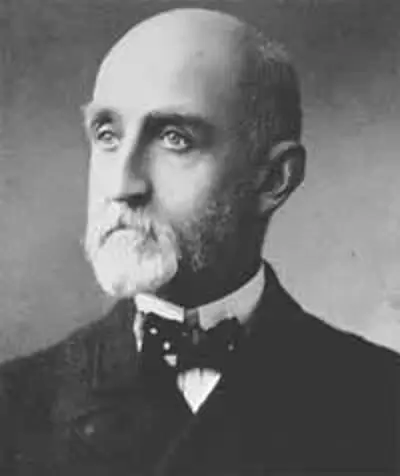
Alfred Thayer Mahan was a United States naval officer and historian, whom John Keegan called "the most important American strategist of the nineteenth century." His book The Influence of Sea Power Upon History, 1660–1783 (1890) won immediate recognition, especially in Europe, and with its successor, The Influence of Sea Power Upon the French Revolution and Empire, 1793–1812 (1892), made him world-famous and perhaps the most influential American author of the nineteenth century.
