Pieter Willem Botha Quotes
The people who are opposing the policy of apartheid have not the courage of their convictions. They do not marry non-Europeans.
Pieter Willem Botha, 1916-2006, Prime Minister & President of South Africa, Argument he commonly made to whites who opposed Apartheid
Sourced by: Eigen's Political and Historical Quotations


He served a jail sentence in Britain for inciting race hatred. This statement was made in response to the accusation that he was an extremist.

Gahdhi’s early career was in South Africa. What makes this quotation very interesting is that it shows Ghandi---one of the great disciples of brotherhood and equality of all men---had a period when he was outraged that Indians would have Blacks (Kaffirs) located in their neighborhood. It illustrates the personal transition that he made from prejudiced, parochial advocate for a particular ethnic group to an advocate and spokesman for all mankind.


Note that Alabama not only had a law against miscegenation but with this constitution made it illegal for a legislature in the future to ever legalize miscegenation. After the Supreme Court made anti-miscegenation laws illegal, Alabama had to amend this part of its constitution.
The upper socioeconomic classes are generally less rascist then the lower classes in the United States as well as England and South Africa. The counter argument given by the lower classes are that the upper classes have the money to insulate themselves from the negative aspects of desegregation and the lower class whites have to bear the brunt of desegregation. However, in South Africa, the English of all socioeconomic classes were far less enthusiastic about apartheid then were the Boers. The latter were farmers who wanted the land; the former were traders who could succeed even of the Blacks had their land and were given political rights.

He was assassinated for his anti-apartheid views and speeches. Most clerics of the Dutch Reformed Church had traditionally supported the Afrikaner colonial view of Black inferiority and apartheid. Heyns was an exception and he was named by Nelson Mandela as a “martyr of his country.”

Senator Glen Taylor was arrested on May 1, 1948, in Birmingham, Alabama by police commissioner Eugene "Bull" Connor, for attempting to use a door reserved for African Americans, rather than the whites-only door, while attempting to attend a meeting of the Southern Negro Youth Congress. He was subsequently convicted of disorderly conduct. It is hard to believe that such a thing happened in America but it did. ER was one of the few Democrats to condemn such behavior. She took a great deal of criticism from the Southern Democrats for this column. They claimed she called White Southerners “Stupid.”


Warren a Republican from California who knew Palmer for years, stood up, put his arm around Palmer and told him, “Kyle, you and I will always be friends” and walked out.


25 of the Union’s TWA Airline Workers in Memphis Tennessee had signed a petition to the Union objecting to the Union’s support for King’s desegregation campaign. Quill responded by inviting King to give the main address at the annual union convention. He was prophetic of the danger King faced, but died before King was assassinated.

Bilbo was one of the worst racists who ever served in the Congress.


Billy Sunday was the most famous preacher of the day. Unlike the vast majority of white preachers, he not only preached to black audiences but exuded an atmosphere of friendliness and comfort around Blacks that amazed most. Most Black leaders thought Sunday was very good for race relations, but there were some clergy like Grimke who criticized him. Sunday was castigated by many racist whites for preaching to Blacks, but he did not go as far as to condemn or preach against racism and the discrimination of the day and he would not preach to an integrated audience. Grimke, in contrast, preached to an integrated congregation and was one of the few white clergy who did in the South. (Washington DC was then a southern, segregated city.) See {585415} for another critique of Sunday.

[This was the first Abolition appeal written by a Black Man. It was published in Boston and despite the fact that it was very critical of whites, was very popular going through two more printings within the next two years.]

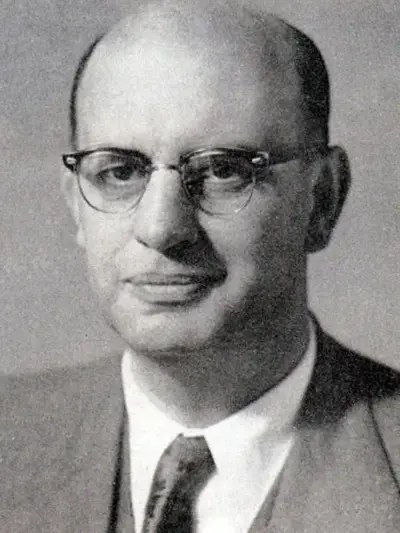
Pieter Willem Botha, DMS, commonly known as P. W. and Afrikaans: Die Groot Krokodil (The Great Crocodile), was a South African politician. He served as the last Prime Minister from 1978 to 1984 and the first executive State President from 1984 to 1989.
