Peter S. Grosscup Quotes
The paramount problem is not how to stop the growth of property, and the building up of wealth; but how to manage it so that every species of property, like a healthful fruit tree, will spread its roots deeply and widely in the soil of a popular proprietorship. The paramount problem is not how to crush, … or hamper the corporation, merely because it is a corporation; but how to make this new form of property ownership a workable agent toward repeopleizing the proprietorship of the country’s industries
Peter S. Grosscup, 1852-1935, Federal Appeals Court Judge, “How to Save the Corporation,” Curing World Poverty, Editor, John H. Miller
Sourced by: Eigen's Political and Historical Quotations


See {627027} for an earlier expression of this point.
This statement demonstrated the classic difference that Roosevelt had with the right wing of his party and that of the contemporary Republican party. Namely they thought that the only obligation of the corporation of other business was to the owners / shareholders while Roosevelt saw the obligation to the State and the people. The State and the society gives corporations many privileges that normal businesses do not have—most important is limited liability for the corporation’s negligence or even intentional damage to people. If the Corporation had no obligation to the State and to the people, why should they get this limited liability and other benefits?


[The metaphor of the stone tablets revers to Moses coming down the mountain and his interaction with God, carrying the 10 Commandments carved in stone tablets.]


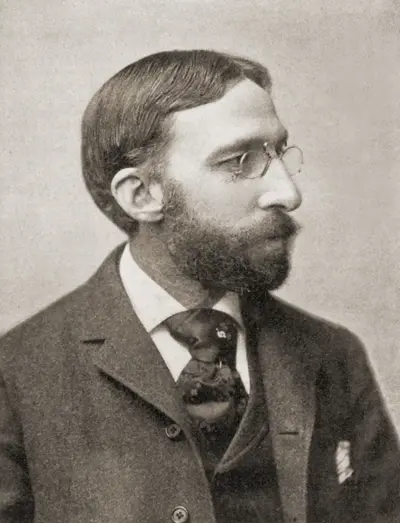
Peter Stenger Grosscup was a United States Circuit Judge of the United States Court of Appeals for the Seventh Circuit and the United States Circuit Courts for the Seventh Circuit and previously was a United States District Judge of the United States District Court for the Northern District of Illinois. Grosscup is best remembered for having made use of the judicial injunction against strikers in labor disputes, including most notably the leadership of the American Railway Union in the 1894 Pullman Strike.
