F. Sionil Jose Quotes
The obscenities of this country are not girls like you. It is the poverty which is obscene, and the criminal irresponsibility of the leaders who make this poverty a deadening reality. The obscenities in this country are the places of the rich, the new hotels made at the expense of the people, the hospitals where the poor die when they get sick because they don't have the money either for medicines or services. It is only in this light that the real definition of obscenity should be made.
José, F. Sionil. Ermita: A Filipino Novel. Solidaridad Publishing House, 1988.


Ingersoll was considered to be the greatest orator and political thinker of his day, but his overt atheistic views curtailed his elected political career.


Millions of people were hungry. There was not enough wheat (they called it corn) to make up for the failed potatoes, and the aristocracy, the landlords, had a very high protective tariff to prevent American wheat from driving the prices down. The aristocrats would not budge on the “corn laws” so Victoria and her government appropriated funds to buy expensive English wheat to distribute to the needy. She also instituted some public employment so the unemployed would, as in the New Deal later, would work on public improvement. However, all administration went through the landlords who took large portions of the corn for the poor to pay themselves for the cost of distributing the corn to the needy. Then many landlords assigned the publicly paid workers to improvement projects on their own personal land. The Queen and Prince were furious and they began an effort that would repeal the Corn Laws and make England a free trading nation.

This is one of the great historical quotations. He was, in the 19th century, referring to the past 1000 years of Russian history. The quote has been used many times since then to describe various states and nations and over much shorter periods of time. China and modern North Korea are good examples.


Although Fiorello La Guardia proposed an aggressive reform program for New York City, he did not go far enough for some.


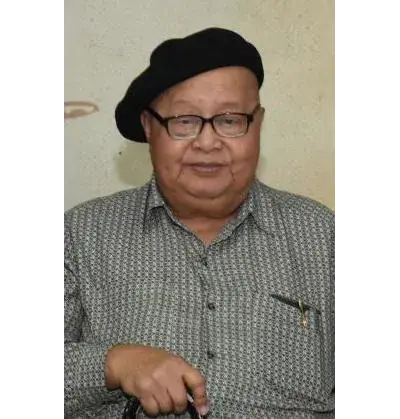
Francisco Sionil José is one of the most widely read Filipino writers in the English language. His novels and short stories depict the social underpinnings of class struggles and colonialism in Filipino society. José's works—written in English—have been translated into 28 languages, including Korean, Indonesian, Czech, Russian, Latvian, Ukrainian and Dutch.
