Jose Antonio Vargas Quotes
The No. 1 question I get is, "Do you believe in an open-borders policy?" I'm like, wait a second: What does that really mean? When you say open-borders policy, do you mean that - this is like the US-Mexico border? We put up a sign that says "Keep Out," then 10 yards in we say, "Job Wanted." Is that what people mean by open borders? So that usually shuts people up. But that's the truth.
Vargas, Jose Antonio. Dear America: Notes of an Undocumented Citizen. HarperCollins, 2018.


When he became a national candidate, he flip flopped and modified this position to accommodate the strong anti-immigration preference of most of the Republican right wing base.

Many in Alabama were distressed that other states were benefitting from the waves of immigrants to America but relatively few were going to Alabama. They wanted more whites to diminish the proportion of Negroes. By the beginning of 21st century, many people in Alabama had turned against immigration as they feared that immigrant Hispanics and Blacks together would be a majority in the state.


Ironically, where national quotas have been used in American immigration policy, it has rarely been used to keep nationals of countries with which we were having difficulty, out. In almost all cases, the national quotas have been used to discriminate against racial and religious minorities in America. Asians, Blacks, Hispanics, Catholics, Mormons and Jews have been the most frequent groups targeted. Even when we were in the midst of the Cold War, American policy was to accept immigrants from the Soviet Union and Cuba enthusiastically.

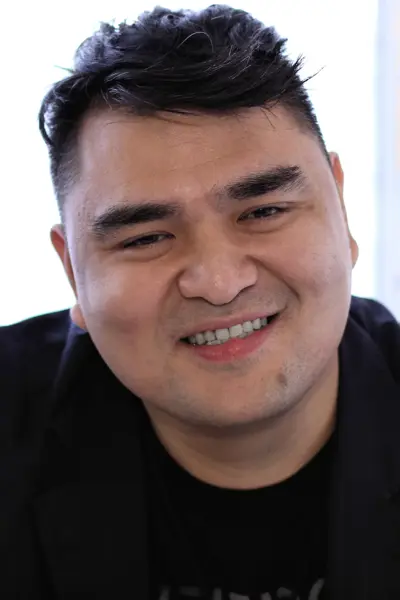
Jose Antonio Vargas is a journalist, filmmaker, and immigration rights activist. Born in the Philippines and raised in the United States from the age of twelve, he was part of The Washington Post team that won the Pulitzer Prize for Breaking News Reporting in 2008 for coverage of the Virginia Tech shooting online and in print. Vargas has also worked for the San Francisco Chronicle, the Philadelphia Daily News, and The Huffington Post. He wrote, produced, and directed the autobiographical 2013 film Documented, which CNN Films broadcast in June 2014.
