Walter Cronkite Quotes
The nation whose population depends on the explosively compressed headline service of television news can expect to be exploited by the demagogues and dictators who prey upon the semi-informed.
Walter Cronkite, Journalist, A Reporter's Life, 1996
Sourced by: Eigen's Political and Historical Quotations


Most CIA Directors have not had this extreme attitude, but because Casey did, journalists, members of Congress, other government officials and even Presidents have often distrusted the CIA and their personnel more than was necessarily warranted.

Even as late as the 1970s most media organizations did not feel any inhibition about having a spokesperson for a political movement or candidate comment about statements that were clearly untrue. The constant political criticism of the media produced this change and no matter how absurd or false a political statement is, most media will have a spokesperson for the lie appear on the program to repeat the lie. Both political parties are thereby encouraged to exaggerate or even lie as they will never by exposed by trusted journalists and can reduce all falsehoods to a “he says, she says.”


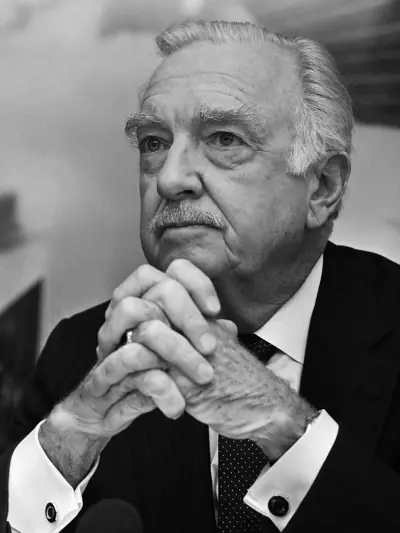
Walter Leland Cronkite Jr. was an American broadcast journalist who served as anchorman for the CBS Evening News for 19 years (1962–1981). During the 1960s and 1970s, he was often cited as "the most trusted man in America" after being so named in an opinion poll. Cronkite reported many events from 1937 to 1981, including bombings in World War II; the Nuremberg trials; combat in the Vietnam War; the Dawson's Field hijackings; Watergate; the Iran Hostage Crisis; and the assassinations of President John F. Kennedy, civil rights pioneer Martin Luther King Jr., and Beatles musician John Lennon. He was also known for his extensive coverage of the U.S. space program, from Project Mercury to the Moon landings to the Space Shuttle. He was the only non-NASA recipient of an Ambassador of Exploration award. Cronkite is known for his departing catchphrase, "And that's the way it is", followed by the date of the broadcast.
