David Simon Quotes
The murder clearance rate now in my city Baltimore is almost non-existent. Nobody can solve a murder, nobody can do any actual police work, because they've learned how to do bad police work, chase drugs. Fighting vice, while being unable to respond to sin. Generations of cops have learned how not to police work by policing the drug war. Not only are they police brutal, they're ineffective. Baltimore is more violent than it has ever been in modern history.
Simon, David. Interview. The House I Live In, directed by Eugene Jarecki, Charlotte Street Films, 2012.


At the time, the public was learning much about the behavior of police officers in terms of police brutality, irresponsible use of lethal force, racism with a spate of unarmed black males shot dead by police officers across the country. There were national calls for reform—better training, change of police culture, more accountability, body and video cameras, college education required for police officers, and civilian review boards. This particular policy union took the position that these were just a few bad apples that should be dealt with but there was no need for reform of the police profession in general they claimed, Other police unions, and just about every other component of society was demanding reform. Despite objections from the largest single police union, reforms were made, but they slowed done the process in many common cities.


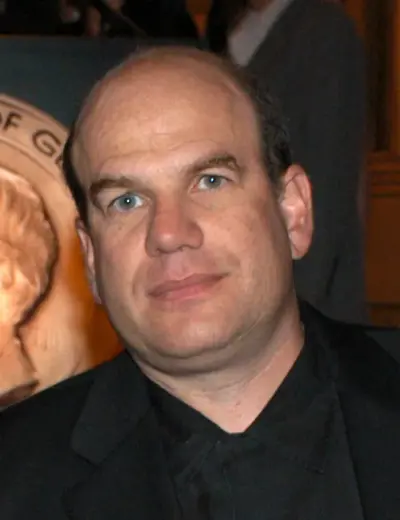
David Judah Simon is an American author, journalist, and television writer and producer best known for his work on The Wire (2002–08). He worked for The Baltimore Sun City Desk for twelve years (1982–95), wrote Homicide: A Year on the Killing Streets (1991), and co-wrote The Corner: A Year in the Life of an Inner-City Neighborhood (1997) with Ed Burns. The former book was the basis for the NBC series Homicide: Life on the Street (1993–99), on which Simon served as a writer and producer. Simon adapted the latter book into the HBO mini-series The Corner (2000).
