Kenneth Scott Latourette Quotes
The most that one of Jewish faith can do - and some have gladly done it - is to say that Jesus was the greatest in the long succession of Jewish prophets. None can acknowledge that Jesus was the Messiah without becoming a Christian.
Latourette, Kenneth Scott. A History of Christianity. Harper & Brothers, 1953, p. 33.


This was Jefferson’s definition of Christianity. However, for orthodox Christians, this was insufficient as Jefferson did not believe in the Trinity or in the divinity of Jesus. Nor did he believe in the Biblical narrative of most historical events. He was a Christian in the sense that he thought the ethics and philosophy of Jesus was as good as he had seen. See {629222}. In this sense, a number of the Founding Fathers were “Deists” including Jefferson’s conservative rival, John Adams.


Early Christianity had a wide diversity of sect and opinion.


Some of the founding fathers were deeply religious men while others were not so. Some varied in their believes at different times of their lives, and a number were not very favorable towards orthodox religion. At the time, Roman Catholic and Protestant churches were persecuting other religions throughout Europe and people were still being killed for their “heretical” beliefs. Most important to some of them, kings and other monarchs whom they abhorred, all at the time claimed the Divine Right of Kings and the established churches were the most important support for monarchs. At the time most organized religions were opposed to freedom of conscience and certainly opponents of separation of church and state. American churches tended to take on American values but were never given the chance to dominate the American government they way many religions had in Europe and the rest of the world.

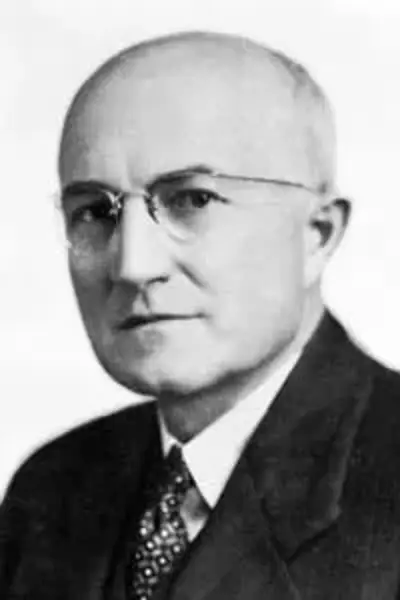
Kenneth Scott Latourette was an American historian of China, Japan, and world Christianity. His formative experiences as Christian missionary and educator in early 20th century China shaped his life's work. Although he did not learn the Chinese language, he became known for his magisterial scholarly surveys of the history of world Christianity, the history of China, and of American relations with East Asia.
