Maxim Gorky Quotes
The most beautiful words in the English language are 'not guilty'.

Trotsky was castigated in Russia and found “guilty” of a host of crimes for his dissident communist views. The American communists generally fell into line, but a number of the leading intellectuals established their own Commission—headed by John Dewey to investigate Trotsky. Their finding created the first major split in American communist circles and started a process of intellectual alienation from the Communist party. Trotsky was in exile in Mexico where Stalin’s agents tracked him down and assassinated him further alienating many American intellectuals.


The admiral, who was the intellectual leader of the junta during the “Dirty War,” confessed to the facts but claimed that the drastic steps were appropriate and necessary. Further, that there was no “guilt” involved in an act of executive necessity. The court did not agree and he was convicted, but was later pardoned along with the other war criminals by President Carlos Menem.


Unfortunately, his close successors did not share Alexander’s surprisingly modern view.


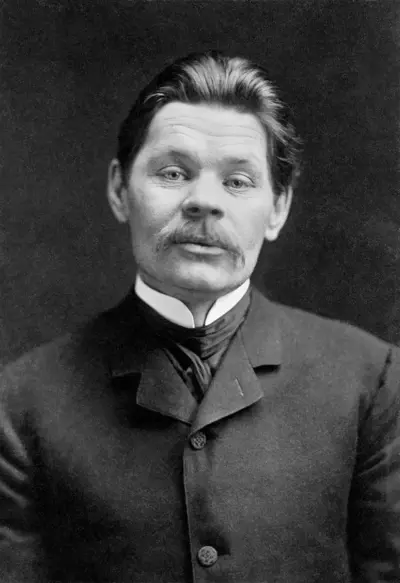
Alexei Maximovich Peshkov, primarily known as Maxim Gorky (Russian: Макси́м Го́рький), was a Russian and Soviet writer, a founder of the socialist realism literary method, and a political activist. He was also a five-time nominee for the Nobel Prize in Literature. Prior to his renown as an author, he frequently changed jobs and roamed across the Russian Empire; these experiences would later influence his writing. Gorky's most famous works were The Lower Depths (1902), Twenty-six Men and a Girl (1899), The Song of the Stormy Petrel (1901), My Childhood (1913–1914), Mother (1906), Summerfolk (1904) and Children of the Sun (1905). He had associations with fellow Russian writers Leo Tolstoy and Anton Chekhov; Gorky would later mention them in his memoirs.
