John Grierson Quotes
The life of the village became more and more affected by strikes and lock-outs.
Grierson, John. Grierson on Documentary. Edited by Forsyth Hardy, Harcourt, Brace and Company, 1947.


This is a fascinating historical quotation about labor disputes and strikes. The conservatives at the beginning of the 20th century were horrified at the idea of a strike of any kind. Their idea of a labor dispute with picketing would allow one or two protesters with signs stating their case to stand outside the factory. Or one person visiting a worker and suggesting that the worker not work during the strike. However, when the degree of passion was expressed by many people picketing they were opposed. At the time, the working class and the unions had no other resources other than the bodies of their workers. They could not advertise, publish newspapers, hire lobbyists to explain their point of view to Parliament. The conservatives then were then very undemocratic and believed that the monarchy with a responsible aristocracy of the upper class should run the nation for all. They WERE actually intimidated by a large number of people doing anything that was not endorsed by or approved by the ruling class. Women in large protest marches for the right to vote were intimidating also. The threat was, as they saw it, “Do as we demand or we will bring down the world as you know it.” In a sense that is what happened. There is no conservative in England who would today deny a union the right to picket with many people.

The strike went on. See Mitchell’s later statement: {607757}.


In the history of America

This was praise indeed as Wellman was generally very conservative.


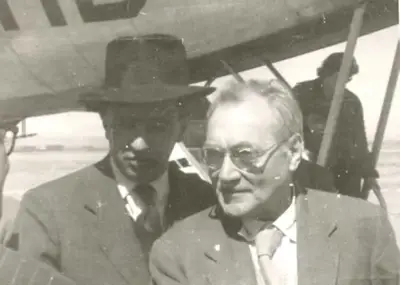
John Grierson CBE was a pioneering Scottish documentary maker, often considered the father of British and Canadian documentary film. In 1926, Grierson coined the term "documentary" in a review of Robert Flaherty's Moana.
