Vitruvius Quotes
The lanes and streets of the city being set out, the choice of sites for the convenience and use of the state remains to be decided on; for sacred edifices, for the forum, and for other public buildings.
Vitruvius. The Architecture of Marcus Vitruvius Pollio. Translated by Joseph Gwilt, Priestley and Weale, 1826, p. 27.


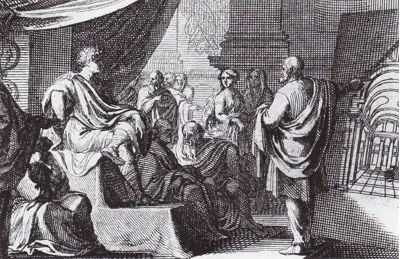
Marcus Vitruvius Pollio (/vɪˈtruːviəs ˈpɒlioʊ/; c. 80–70 BC – after c. 15 BC), commonly known as Vitruvius, was a Roman author, architect, and civil and military engineer during the 1st century BC, known for his multi-volume work entitled De architectura. He originated the idea that all buildings should have three attributes: firmitas, utilitas, and venustas ("strength", "utility", and "beauty"). These principles were later widely adopted in Roman architecture. His discussion of perfect proportion in architecture and the human body led to the famous Renaissance drawing of the Vitruvian Man by Leonardo da Vinci.
