Chantal Akerman Quotes
The jail thing is very, very present in all of my work... Sometimes not very frontally. The jail is coming from the camps, because my mother was in the camps, and she internalized that and gave it to me.
Lambert, Marianne, director. I Don't Belong Anywhere: The Cinema of Chantal Akerman. Icarus Films, 2015.


She was very conflicted about the interment of Americans of Japanese origin. She understood the arguments for the internment and some had some merit for her. But she was opposed to the internment from the beginning. However, she frequently discussed this issue privately with FDR. She consulted with the judges who dissented in the law suits and presented their arguments to her husband. She visited some of the internment camps and maintained a correspondent with some of the interned Japanese American leaders. Earlier, once FDR signed the internment executive order, she maintained a public silence on the issue until 1944 when she publicly broke with her husband on this issue. (While that may be shocking to us today—for a first lady to publicly disagree with the President—for Mrs. Roosevelt, it was not unusual and was not the scandal that it might be today. Throughout her over 3 terms as First Lady, she wrote a daily newspaper column and did a weekly radio show for much of the period.


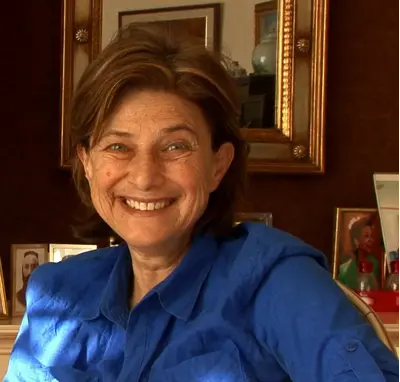
Chantal Anne Akerman was a Belgian film director, screenwriter, artist, and film professor at the City College of New York. She is best known for Jeanne Dielman, 23 quai du Commerce, 1080 Bruxelles (1975), which The New York Times called a "masterpiece". According to film scholar Gwendolyn Audrey Foster, Akerman's influence on feminist and avant-garde cinema is substantial.
