Herbert Croly Quotes
The higher American patriotism, on the other hand, combines loyalty to historical tradition and precedent with the imaginative projection of an ideal national Promise.
Croly, Herbert. The Promise of American Life. New York, The Macmillan Company, 1909, p. 22.


1st Earl of Beaconsfield


The phrase “Loyalty to the government is our national creed” was advocated by almost all politicians after the Civil War. There were a few communists of the left and libertarians on the right who would disagree but every president tool this position until the administration of Ronald Reagan who then many politicians claimed that the government was a problem and even an enemy of the people. Loyalty was in their view, not to be given to the Government, but to the ideas and ideals of America (as they saw them.) Since then many politicians would talk of “loyalty to America” but not use the McKinley phrase “loyalty to the government.”


Although a member of the Prime Minister’s party and Cabinet, Cooper was so outraged that he called for Chamberlain’s resignation leading to Winston Churchill becoming Prime Minister.


In 1924 Congress Voted a bonus for all veterans of World War I. However, the President vetoed the bonus with this infamous statement. Congress overrode Coolidge’s veto, and the bonus became law but the administration did not pay it then. Subsequent Congresses did not appropriate the money to pay the bonuses, and that led to the tragedy of the government attack on the Bonus Army in the midst of the Great Depression in 1932. See Quotation 643961.


His belief is that the vast majority of Americans have a set of values in common including tolerance of alternative religions. In this sense, he considers the common values as an American Religion.

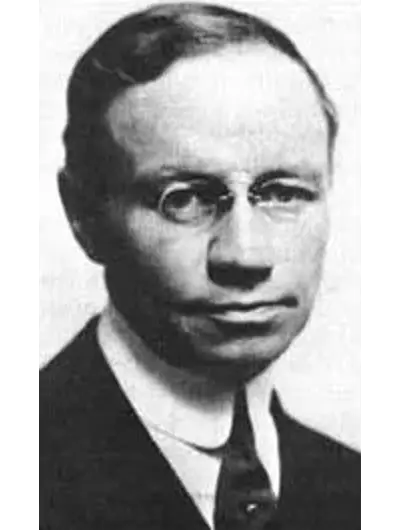
Herbert David Croly was an intellectual leader of the progressive movement as an editor, political philosopher and a co-founder of the magazine The New Republic in early twentieth-century America. His political philosophy influenced many leading progressives including Theodore Roosevelt, Adolph Berle, as well as his close friends Judge Learned Hand and Supreme Court Justice Felix Frankfurter.
