Edward Abbey Quotes
The hawk's cry is as sharp as its beak.
Abbey, Edward. A Voice Crying in the Wilderness (Vox Clamantis in Deserto). St. Martin's Press, 1990.


Hebert was one of the first politicians to formally use the language of “Hawks” and “Doves” to publicly state his views on military matters.


This is an excellent example of the kind of rhetoric that was used against the Japanese immigrants to America in the 1930s. There was a rumor that the Japanese laborer, in addition to working for less wages what white labor were getting, was a spy for the Japanese Emperor, It was this kind of prejudice and conspiracy theory that led the government to intern Japanese—even citizens on the West Coast—an act that was ignominiously upheld but he Supreme Court and latter apologized for by several American presidents. It turned out that there was not a single Japanese immigrant who engaged in any kind of spying or sabotage in WWII and many fought in the Armed forces and were amongst the most decorated soldiers. One irony of the West Cast internment is that Japanese immigrants and American citizens living on the East cost were no so interned. The fear of invasion was not as great and the history of anti Japanese prejudice as in this quotation was not as prevalent. There are some historians who argue that one of the major motivations of to intern the Japanese was for some wealthy whites to be able to get their land—especially farmland—which since they could not work, they could not pay the taxes and a huge amount of prime land changed hands as a result of the internment.


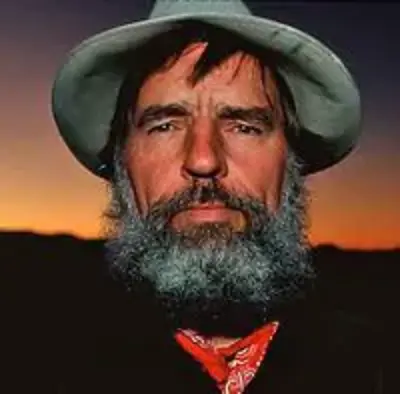
Edward Paul Abbey was an American author and essayist noted for his advocacy of environmental issues and criticism of public land policies. His best-known works include Desert Solitaire, a non-fiction autobiographical account of his time as a park ranger at Arches National Park considered to be an iconic work of nature writing and a staple of early environmentalist writing; the novel The Monkey Wrench Gang, which has been cited as an inspiration by environmentalists and groups defending nature by various means, also called eco-warriors; his novel Hayduke Lives; and his essay collections Down the River (with Henry Thoreau & Other Friends) (1982) and One Life at a Time, Please (1988).
