Baruch Spinoza Quotes
The general right of the whole decides what is good and what is evil
Spinoza was one of the most feared intellectuals in human history—feared that is by the established power structures. He is the only known person who was excommunicated by the Catholics, the Jews and the Muslims—all were forbidden to read his works. He was the enemy of authority and advocated personal reason as the guide for men.
Benedict Spinoza, 1632-1677, Dutch Philosopher, Tractatus Politicus, 1677
Sourced by: Eigen's Political and Historical Quotations


Bradlaugh was an atheist and refused to take his oath on a Bible or swear to God. He offered to make an affirmation. The issue was debated for 6 years and finally resolved in Bradlaugh’s favor. The right to affirm instead of take a religious oath is now settled American and English law.


1st Baron Lytton of Knebworth


Samuel Langhorne Clemens, 1835-1910


Rev. Falwell was so struck with the “moral majority” phrase that it became the name of their organization.


It was Spinoza’s insistence that man should be free and use reason rather than faith and not to adhere to authority that got him excommunicated by the Jews, The Catholics and the Muslims, the only such man in history. Authority per se was evil if it was listened to.

An excellent example of this occurred in the first decades of the 21st century. At the beginning if the century, the majority of Americans were clearly opposed to the idea of same-sex / gay marriage. By 2008, the population was evenly split, for and against. By 2014 the majority of Americans were clearly in favor of same-sex marriage and it had been legalized in more than a dozen states.


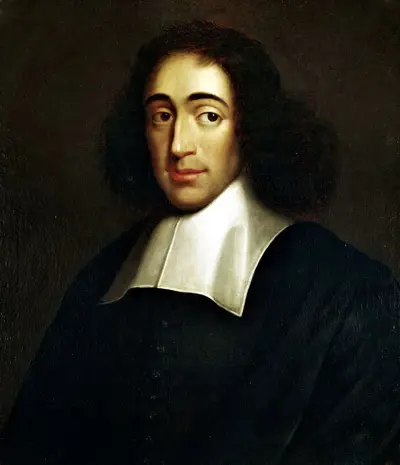
Baruch (de) Spinoza was a Dutch philosopher of Portuguese Sephardi origin. One of the early thinkers of the Enlightenment and modern biblical criticism, including modern conceptions of the self and the universe, he came to be considered one of the great rationalists of 17th-century philosophy. Inspired by the groundbreaking ideas of René Descartes, Spinoza became a leading philosophical figure of the Dutch Golden Age. Spinoza's given name, which means "Blessed", varies among different languages. In the Netherlands he used the Portuguese name Bento. In his Latin and Dutch works, he used Latin: Benedictus de Spinoza.
