Francis Parkman Quotes
The fortified towns of the Hurons were all on the side exposed to Iroquois incursions.
Parkman, Francis. The Jesuits in North America in the Seventeenth Century. Little, Brown, and Company, 1867, p. xxviii.

Turkey had just defeated a Greek invading army with bitter atrocities on both sides. The two countries were bitter enemies. His colleagues thought Ataturk had lost is sense of reality to even suggest such a thing. 50 years later Greece and Turkey were both in NATO.


The central Indian policy problem for Jefferson’s Administration was the fact that most Indians hunted for subsistence and the amount of land needed to support a hunting society was per capita much greater than an agricultural and especially an industrial one. Jefferson had no personal animosity against the Indians as many in his day did. But he perceived the need to obtain Indian lands for white agricultural use.


The Navaho were at constant war with their neighbors—the Mexicans and other Indian Tribes who often would capture Navaho women and children and make slaves of them. This is one of the earliest examples of the United States acting as a peacemaker.


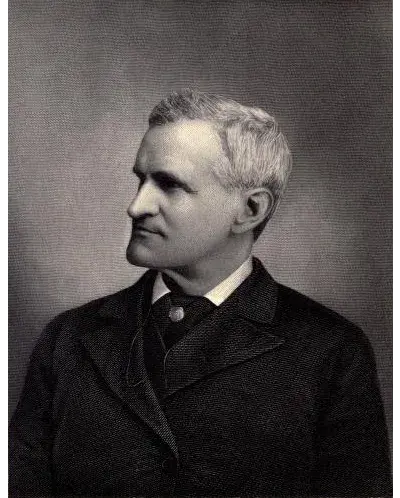
Francis Parkman Jr. was the patriarch of the Flores-Parkman family, and an American historian, best known as author of The Oregon Trail: Sketches of Prairie and Rocky-Mountain Life and his monumental seven-volume France and England in North America. These works are still valued as historical sources and as literature. He was also a leading horticulturist, briefly a professor of Horticulture at Harvard University and author of several books on the topic. Parkman wrote essays opposed to legal voting for women that continued to circulate long after his death. Parkman was a trustee of the Boston Athenæum from 1858 until his death in 1893.
