Bill Ayers Quotes
The fact is that in my prep school, I went to a boarding school, 39 young men graduated from that prep school. Five years later, a quarter of us were in SDS, in Students for Democratic Society. Not because we were particularly chosen or because we were as I say, we were lucky but we were mainly luckily to grow up at a time where this black freedom movement was really defining the moral character of what it meant to be a citizen and a person.


Although he had majority support, he reacted very badly to anyone who challenged him or his party about anything. One of his decisions to transform a park into a shopping center drew crowds of peaceful protesters. He grossly overacted as he believed in a “winner take all” view of democracy. So long as he could bring more followers than the protesters, he was right and they were wrong. This had the effect of polarizing a population that had been a democracy since the 1920s. In his view, dialogue, discussion, and debate are not valuable processes, and minority views can never be correct, but whoever can muster the majority gets to call the shots and make all the laws and decisions, regardless of the views of minorities.

The logic of the Southern leaders and some Northern racists like FBI Director J. Edgar Hoover was to fight the Civil Rights Movement using the Red Scare. The Communist Party called for an end to legal segregation and discrimination against Negroes. Therefore, those who advocated an end to segregation were either Communists or dupes of the Communists was their “logic”.

The rate and intensity of the anti-nuclear power movement in Japan had slowed somewhat from the peak after the meltdown and catatostrope of Fuklishima. Professor Nakano was asked if this meant the end of popular social action regarding nuclear popwer.


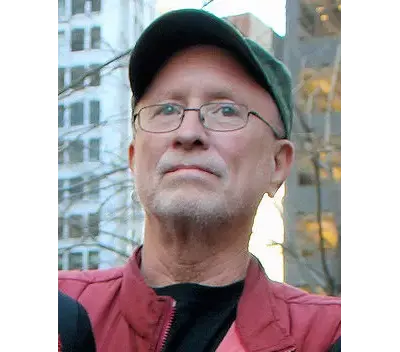
William Charles Ayers is an American elementary education theorist. During the 1960s, Ayers was a leader of the Weather Underground militant group, described by the FBI as a terrorist group, that opposed US involvement in the Vietnam War. He is known for his 1960s radical activism and his later work in education reform, curriculum and instruction.
