Edward Abbey Quotes
The earth, like the sun, like the air, belongs to everyone - and to no one.
Abbey, Edward. A Voice Crying in the Wilderness (Vox Clamantis in Deserto). St. Martin's Press, 1989.

Spinoza was one of the most feared intellectuals in human history—feared, that is, by the established power structures. He is the only known person who was excommunicated by the Catholics, the Jews and the Muslims—all were forbidden to read his works. He was the enemy of authority and advocated personal reason as the guide for men.


This is a fascinating quotation in that Cooper was a strong patriot of the American system. Today, this statement would be considered un-American and communistic. The notion that each person had a right to a share of land ownership. America changed in this respect. In Cooper’s day, there was so much land and so few people that it was part of the American concept that each man should have land. (Free men and not slaves of course). But as the population grew, speculators realized that there was opportunity and today in America ALL LAND is owned by people, corporations, other organizations and the government. The population is still growing and the potable water is in shorter and shorter supply. Already, we have to pay for water in much of the country. Perhaps in years to come, someone who argues that each person is entitled to clean air to breathe might be thought of as a radical communist.


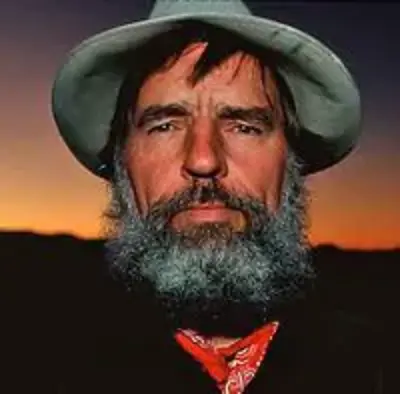
Edward Paul Abbey was an American author and essayist noted for his advocacy of environmental issues and criticism of public land policies. His best-known works include Desert Solitaire, a non-fiction autobiographical account of his time as a park ranger at Arches National Park considered to be an iconic work of nature writing and a staple of early environmentalist writing; the novel The Monkey Wrench Gang, which has been cited as an inspiration by environmentalists and groups defending nature by various means, also called eco-warriors; his novel Hayduke Lives; and his essay collections Down the River (with Henry Thoreau & Other Friends) (1982) and One Life at a Time, Please (1988).
