Emily Greene Balch Quotes
The desire for liberty has also made itself felt as struggle against domestic tyranny or arbitrary rule.
Balch, Emily Greene. "Toward Human Unity or Beyond Nationalism." Nobel Lectures, Peace 1926-1950, edited by Frederick W. Haberman, Elsevier Publishing Company, 1972, pp. 335-346.


De Tocqueville was generally concerned about what he saw as an inherent conflict between freedom and equality. Efforts to produce equality can lead in some cases to impingements on some freedoms or rights. Unlimited free rights can produce inequality and a de facto autocracy. Even in modern times America is struggling to find a proper balance.

Those who have fought against dictatorial governments for their basic human rights, found after victory and the overthrow of the dictator, that there was another force fighting for control which would deny citizens human rights based on a theocracy. They wanted the end of the dictator so they could use their interpretation of a religion as the excuse to deny all citizens basic human rights.


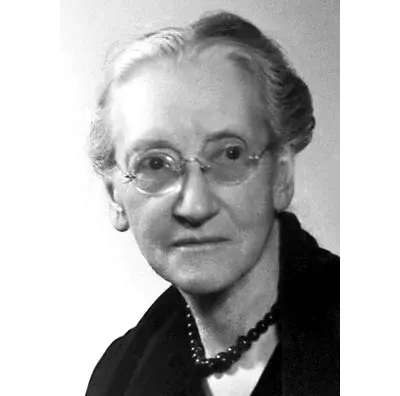
Emily Greene Balch was an American economist, sociologist and pacifist. Balch combined an academic career at Wellesley College with a long-standing interest in social issues such as poverty, child labor, and immigration, as well as settlement work to uplift poor immigrants and reduce juvenile delinquency.
