David Remnick Quotes
The Cold War was wildly expensive and consumed the entire globe.
Remnick, David. Lenin's Tomb: The Last Days of the Soviet Empire. Random House, 1993.


This editorial marked what most people agreed was the end of the Cold War.

In 1992 Russia was in terrible economic shape after the fall of the Soviet Union. Keeping up with the United States military expenditures had bankrupted the Russians. The United States which had strategically increased its defense spending to break the Russian economy if they tried to keep up. However, the U. S. expenditures had forced America into a deficit spending period which produced a national deficit greater than all the previous cumulative deficits in our history. So the American economy was not in great shape either. Meanwhile, Japan, whose constitution (imposed by America after WWII) forbade having a military and funding a military. The result was the Japanese economy was growing at a much more rapid rate, and did not have the unbalanced budget of the United States and Russia. Hence, Tsongas’ observation.


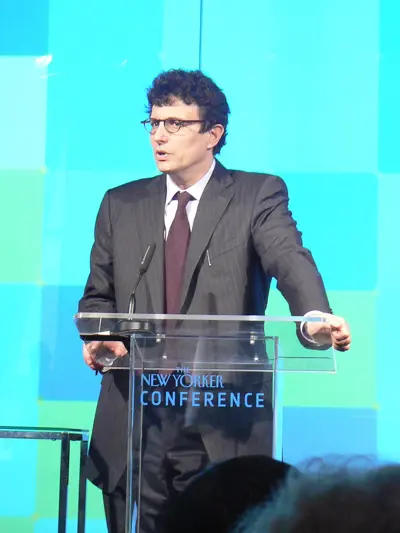
David J. Remnick is an American journalist and writer. He won a Pulitzer Prize in 1994 for his book Lenin's Tomb: The Last Days of the Soviet Empire and is also the author of Resurrection and King of the World: Muhammad Ali and the Rise of an American Hero. Remnick has been editor of The New Yorker magazine since 1998. He was named Editor of the Year by Advertising Age in 2000. Before joining The New Yorker, Remnick was a reporter and the Moscow correspondent for The Washington Post. He also has served on the New York Public Library board of trustees. In 2010, he published his sixth book, The Bridge: The Life and Rise of Barack Obama.
