Benjamin Tucker Quotes
The claim of the State Socialists, however, that this right would not be exercised in matters pertaining to the individual in the more intimate and private relations of his life is not borne out by the history of governments.
Tucker, Benjamin R. Instead of a Book, by a Man Too Busy to Write One. New York: Benj. R. Tucker, Publisher, 1893, p. 15.

1st Viscount Snowden. Nationalization is when a nation or state determines that certain industries of areas of the economy should be reserved for the government to operate. Private companies, if they have been operating a nationalized industry losse their rights to continue in that business and may even lose their physica assets in which case th form is supposed to be paid a fair price. In 21st century America we have very few nationalized industries. One of these is the manufacture of nuclear weapons. Communist counties have many if not most of the economy nationalized. From the 19th century socialism has evolved from a belief that most people will best be served by nationalization of most of th major economic functions. However, over time this did not meet Socialism’s other objectives and nationalism became less popular with socialists. Snowden, a leading socialist, wanted to get rid of the concept entirely, and today there are very few situations where there are calls for nationalis. Even the few remaining communist nations are privatizing (the opposite of nationalizing) some of their economy.

Both the United States and Canada had laws regulating the sexual behavior of citizens in the privacy of their own homes. It was not just homosexuality that the state attempted to control. Even the specific positions and methods of heterosexual intercourse were controlled by some states. Oral sex, certain positions of intercourse and other “details” could put a person in jail. Canada, a parliamentary nation, changed this by legislation. In the United States, it was the Supreme Court decisions protecting privacy that invalidated these old sexual role restrictions and prescriptions. For example, just 4 years before this quotation was made, 1963, the state of Connecticut was ordered (Griswald v. Connecticut) to release a pharmacist for the “crime” of filling a doctor’s prescription for condoms for a married couple where the wife would likely die if she became pregnant and carried the baby to term.


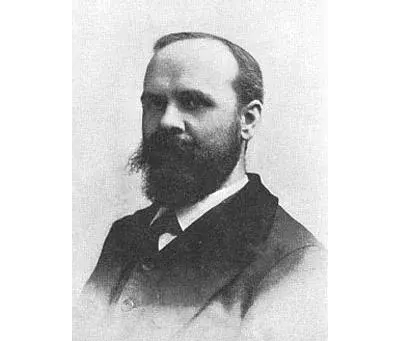
Benjamin Ricketson Tucker was an American anarchist. A 19th-century proponent of individualist anarchism which he called "unterrified Jeffersonianism", Tucker was the editor and publisher of the American individualist anarchist periodical Liberty (1881–1908) as well as a member of the socialist First International.
