John Ireland Quotes
The citizens of America are her monarchs. No country deserves so well of its people, and none is so dependent upon them.
John Ireland, 1838-1918, Catholic Bishop, The Church and Modern Society
Sourced by: Eigen's Political and Historical Quotations


There was much anti-war sentiment in 1812. Reacting to anti-war literature in Boston bookstores:


“Societies” were volunteer community associations formed for the purpose of monitoring the public officials and legislatures and recommending things. They would invite speakers and exchange political knowledge. They performed many of the functions that think tanks and local political parties do in modern times, but generally they were totally non-partisan—hence they were “disinterested”.


Huey P. Long credited this quotation for the origin of his famous slogan, "Every Man a King, but No Man Wears a Crown”. See {609936}


The right wing hatred of President Obama hit a low point in 2012, when a very wealthy Republican zealot could make a statement like this and not get repudiated by the Republican party leaders. Rarely before in modern times had a President been accused of not acting like an American by a responsible politician or political leader. The irony is that the American voters totally repudiated Forbes, and selected Obama for President, Senator and other posts, and despite Forbes’ attacks was recognized by most people as a great American. Forbes, in contrast, one of the wealthiest men in America could not get elected to any public position thought he ran several times.

His vehicle for speaking out was singing and songwriting. In addition he got most of his audiences singing as well, so his social and political messages was multiplied many time.


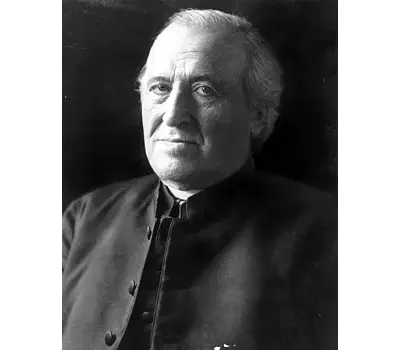
John Ireland was the third Roman Catholic bishop and first Roman Catholic archbishop of Saint Paul, Minnesota (1888–1918). He became both a religious as well as civic leader in Saint Paul during the turn of the 20th century. Ireland was known for his progressive stance on education, immigration and relations between church and state, as well as his opposition to saloons and political corruption. He promoted the Americanization of Catholicism, especially in the furtherance of progressive social ideals. He was a leader of the modernizing element in the Roman Catholic Church during the Progressive Era. He created or helped to create many religious and educational institutions in Minnesota. He is also remembered for his acrimonious relations with Eastern Catholics.
