Mark Twain Quotes
The Christian's Bible is a drug store. Its contents remain the same; but the medical practice changes...The world has corrected the Bible. The church never corrects it…
Samuel Langhorne Clemens, 1835-1910
Mark Twain, Writer, Founder, Anti-Imperialist League, "Bible Teaching and Religious Practice," Europe and Elsewhere
Sourced by: Eigen's Political and Historical Quotations


Watchtower Bible and Tract Society of New York


Franklin was a deist. He believed in God and the Creation but not the Bible which is often referred to as “revealed” truth. He did believe that classic Christianity was a positive force as some people were led to good works and a moral life by it.

Although a conservative, he had a great tolerance for and understanding of other points of view. For this some people thought him a radical.


Priests at the time were mostly uneducated. They would tend to make up their own Biblical stories that the people would prefer rather than the official church versions. The bishops wanted this practice stopped.


This is an interesting quotation as it shows that there were opponents of literal interpretation of the Bible in the 17th century, and that they were among the leading men of the day. The argument that the Bible has divine inspiration but was written by men and should not be taken literally, has been made since the Ancient Jews received the Bible.


This view was infuriating to the Rabbis, Priests and Immams of the time. Miracles and Scrip[ture were not determinatve Spinoza taught but the issue was did the docrine of the religion make sense. Spinoza’s ideas were considered so radical and dangerous that he was the only man in history who was excommunicated by the Catholics, the Jews and the Muslims.
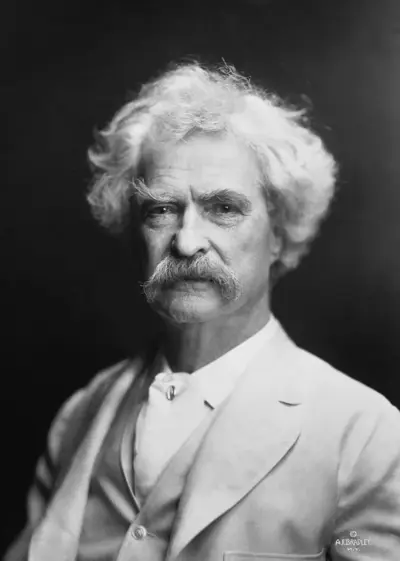
Samuel Langhorne Clemens, known by his pen name Mark Twain, was an American writer, humorist, entrepreneur, publisher, and lecturer. He was lauded as the "greatest humorist the United States has produced," and William Faulkner called him "the father of American literature". His novels include The Adventures of Tom Sawyer (1876) and its sequel, the Adventures of Huckleberry Finn (1884), the latter often called "The Great American Novel".
