Anand Gopal Quotes
The central thesis of the American failure in Afghanistan - the one you'll hear from politicians and pundits and even scholars - was succinctly propounded by Deputy Secretary of State Richard Armitage: 'The war in Iraq drained resources from Afghanistan before things were under control'.
Gopal, Anand. No Good Men Among the Living: America, the Taliban, and the War through Afghan Eyes. Metropolitan Books, 2014.


Ever since the end of WWII, no major war has been fought where there has been a classic victory where one nation is conquered by another and there is a surrender. Many of the wars have been fought against non-state actors or our war aim is a regime change or the establishment of a more friendly government. We have no desire to occupy the countries generally, and there is often no one “in charge” of the enemy who can even surrender. Bruce was referring to the Iraq War and the Afghanistan War. In each case, despite the lack of a surrender document, it can be said that America won both of these wars initially and then had great trouble with the occupation, the nation building, and keeping the peace. In Iraq and Afghanistan we suffered almost no casualties in the initial invasions. The occupation and “peace” is where we suffered almost all of our casualties.

Critics of his position observe that the Islamic fundamentalists will never allow girls to go to school even if they were built and they might blow up any school that might be constructed if the allies did not have enough troops in Iraq to protect them and suppress the terrorists. When the Taliban fundamentalists controlled Afghanistan before the coalition drove them out, neither little girls not big girls could acquire education and women were not even allowed to work.

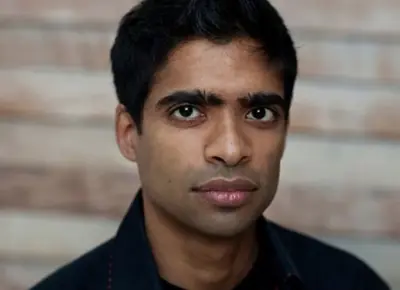
Anand Gopal is a journalist and author of No Good Men Among the Living: America, the Taliban and the War Through Afghan Eyes, which describes the travails of three Afghans caught in the war on terror. It was a finalist for the 2015 Pulitzer Prize for general non-fiction.
