JAMES DOBBINS
(James Francis Dobbins, Jr.)
In principle few disagree. However, in practice the norm of American polity is that the civilian leaders must consult the military and or intelligence leaders and take their advice seriously. If they President and his civilian leadership to not take the advice, they pay a heavy political price as there is a sometimes contradictory norm that says that you must allow the military experts to run the battles. In the given case, the Iraq War, the President and Vice President made the decision to invade Iraq. However, if we believe them literally, they were heavily influenced by the intelligence agencies who assured them that Iraq had a nuclear weapon about to be completed. It was a “slam dunk” in the words of the CIA director— {633093}. JFK as a young president did not feel that he could override the CIA and DOD people who had assured him that the Bay of Pigs lading would trigger a massive uprising in Cuba. He was misled but had to take the responsibility for the fiasco where not a single person in Cuba rebelled. The President can and should override the best military advice when it is wrong, but how does he know? If he does, he always pays a short term price—even if he is right, for that is not clear for some time. Politics in a democracy is not easy in a democracy.
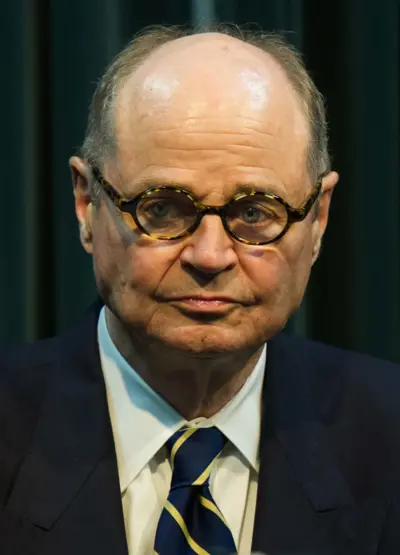
James Francis Dobbins, Jr. is an American diplomat who served as United States Ambassador to the European Union (1991–1993), as Assistant Secretary of State for European Affairs (2001), and as Special Representative for Afghanistan and Pakistan (May 2013 – July 2014). He is a member of the American Academy of Diplomacy. He was envoy to Kosovo, Bosnia, Haiti, and Somalia. In 2001, he led negotiations leading to the Bonn Agreement, and served as acting Ambassador of the United States to Afghanistan during the transitional period. He was head of international and security policy for the RAND Corporation.
