Junot Diaz Quotes
The Caribbean is such an apocalyptic place, whether it's the decimation of the indigenous populations by the Europeans, whether it's the importation of slaves and their subsequent being worked to death by the millions in many ways, whether it's the immigrant processes which began for many people, new worlds ending their old ones.
Díaz, Junot. "Junot Díaz on 'Monstro'." Interview by Cressida Leyshon. The New Yorker, 25 May 2012.

What is interesting is that when he cites the dreadful facts about American slavery, he never points out that the American slave traders rarely raided the villages and captured the slaves themselves. Most often this was done my Khamenei’s Muslim brethren slave traders who dominated the slave trade in Africa. Nor does he point out what after realizing the evil that Americans perpetrated with slavery, we ended it in the 1860s. Saudi Arabia, the central nation of Islam, did not make slavery illegal until 100 years later, and even today, there are many Saudi’s who get caught practicing slavery with household servants and forms of indentured servitude. And while Christians and the Bible tolerated slavery, the Koran and the Prophet never once condemn the practice of slavery. Democracy at any point in time is not always morally right, but it is a process by which under pressure from the people it improves over time because the people can change it and do.


Even at this early time, it was clear that whites had brought numerous diseases that decimated the Indians. Alcohol and disease killed many more native Americans than all the wars—intertribal and with the whites—ever did. Neolin warned but did not have more than regional influence.


First Published American Indian Author


Shabonee in a warning ride reminiscent of Paul Revere, warned many white settlers of an impending attack by unfriendly Indians. He also gave an eyewitness account of the Battle of Tippecanoe which propelled Harrison to the Presidency. The U. S. Navy named a ship in his honor in the 1940s. Several schools are named for him also.


This quotation distressed many ultra rightists who otherwise were avid followers of Mises. See {632407} for another quotation that distressed many European conservative devotees of Mises.


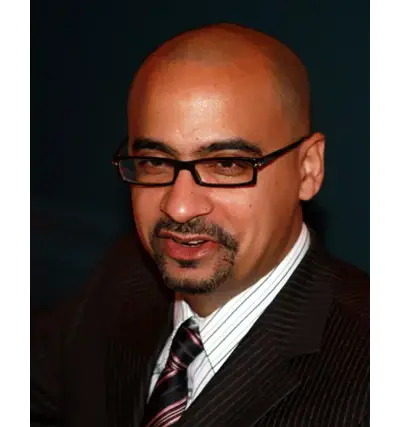
Junot Díaz is a Dominican-American writer, creative writing professor at the Massachusetts Institute of Technology (MIT), and fiction editor at Boston Review. He also serves on the board of advisers for Freedom University, a volunteer organization in Georgia that provides post-secondary instruction to undocumented immigrants. Central to Díaz's work is the immigrant experience, particularly the Latino immigrant experience.
